Ethical Technology Development: A Business Essential
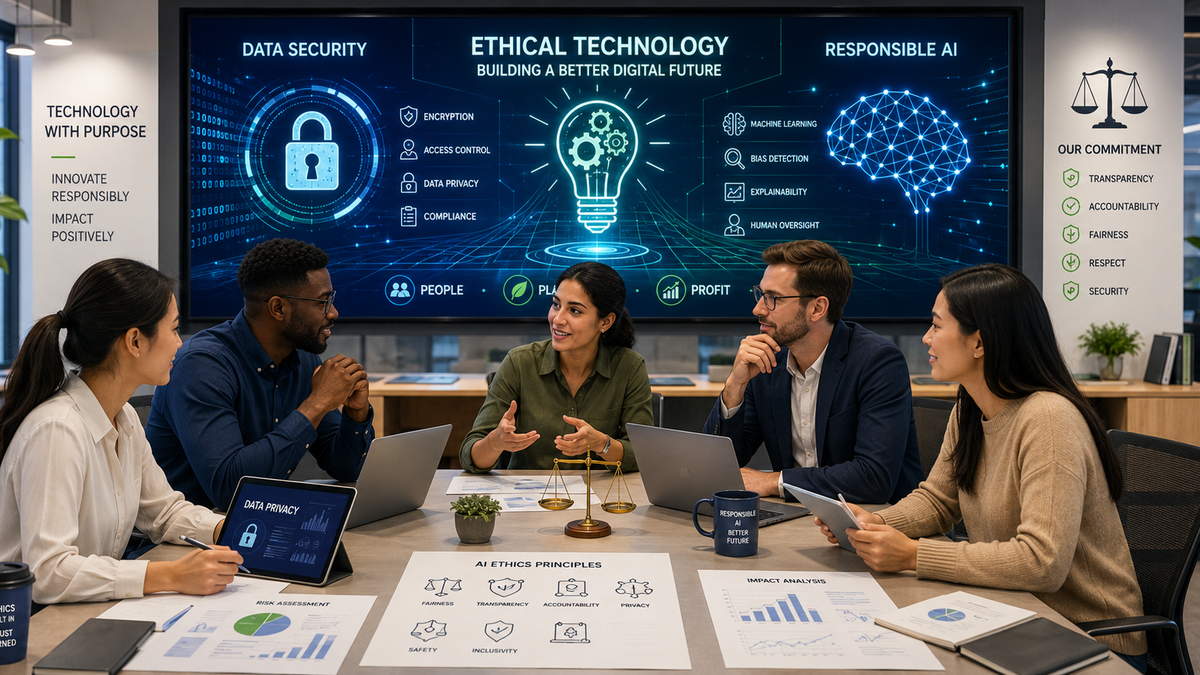
Ethical Technology Development: Key Considerations for Modern Businesses
As organizations increasingly rely on cloud-based platforms, automation, and artificial intelligence, ethical technology development has become a critical business priority. Whether implementing document management systems, workflow automation, project management platforms, or AI-powered solutions, businesses must ensure that technology is designed and deployed responsibly.
At GLXY Software Solutions, we believe successful technology is not only powerful and efficient—it must also be secure, transparent, and built with the end user in mind.
1. Data Privacy and Responsible Information Management
Businesses today collect and manage large volumes of sensitive information, from customer records and operational data to project documentation and compliance records.
Protecting that information is essential.
Organizations should implement systems that:
- Collect only necessary data
- Restrict access to authorized users
- Maintain secure storage and backups
- Clearly communicate data usage policies
For organizations managing large volumes of documents and records, solutions such as GLXY's healthcare document management platform can help support secure information handling and access control:
https://www.glxysoftwaresolutions.com/healthcare/hipaa-document-management
2. Transparency in Technology and Business Processes
Technology should make operations more transparent, not more confusing.
Organizations should ensure that employees, customers, and stakeholders understand:
- How systems work
- How data is collected and used
- What automation processes are being implemented
- What limitations exist within the technology
3. Security Must Be Built Into Every System
Cybersecurity is no longer optional. Whether managing documents, projects, scheduling systems, or operational workflows, security should be considered from the beginning.
- Role-based access controls
- Secure cloud infrastructure
- Data encryption
- Audit trails and activity tracking
- Regular security reviews
4. Accessibility and User Experience
Technology should be designed to support all users.
- Easy to navigate
- Accessible across devices
- Intuitive for both technical and non-technical users
- Built with diverse user needs in mind
5. Responsible Use of Artificial Intelligence
Artificial intelligence continues to transform how organizations manage information, automate workflows, and improve decision-making.
- Transparency in AI-driven processes
- Human oversight when necessary
- Reducing bias in automated decision-making
- Using AI to enhance productivity rather than replace critical judgment
6. Building Sustainable and Scalable Technology
Technology investments should be designed for long-term success.
- Scale as the business grows
- Adapt to changing requirements
- Reduce manual processes
- Improve operational efficiency
For example, organizations managing projects, resources, and operational workflows can benefit from structured solutions such as:
https://www.glxysoftwaresolutions.com/pulse-point-project-tracker
Ethical Technology Creates Better Business Outcomes
Ethical technology development extends beyond regulatory compliance. It encompasses privacy, security, transparency, accessibility, responsible AI implementation, and sustainable business practices.
Organizations that prioritize these principles are better positioned to build trust, improve operational efficiency, and create long-term value for customers, employees, and stakeholders.