The Rise of Custom Healthcare Software: A Necessity for Clinics
Why Custom Healthcare Software Is Becoming a Necessity
Healthcare organizations today face increasing pressure to improve efficiency while maintaining high standards of patient care and regulatory compliance. As patient volumes grow and workflows become more complex, many clinics find that off-the-shelf software solutions no longer meet their needs.
Generic systems often force clinics to adapt their processes around the software rather than the other way around. This leads to inefficiencies, workarounds, and fragmented workflows that slow down operations.
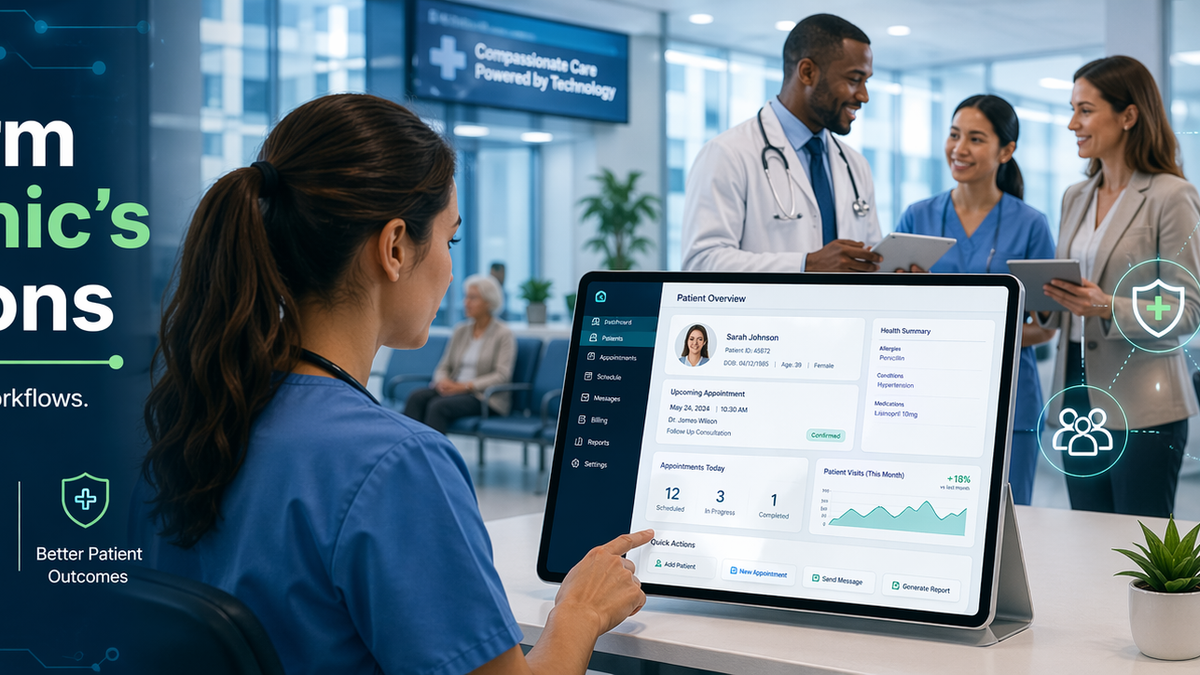
Custom healthcare software solutions address this gap by allowing organizations to build systems that align directly with their operational structure.
Limitations of One-Size-Fits-All Healthcare Systems
Many healthcare providers encounter challenges when using standard platforms, including:
- Limited flexibility in workflow customization
- Difficulty adapting to specific clinical processes
- Inefficient scheduling and patient coordination
- Lack of integration between systems
- Compliance risks due to poor document management
These limitations can lead to increased administrative burden and reduced quality of care.
How Custom Solutions Improve Healthcare Operations
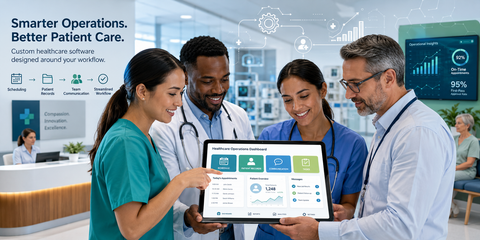
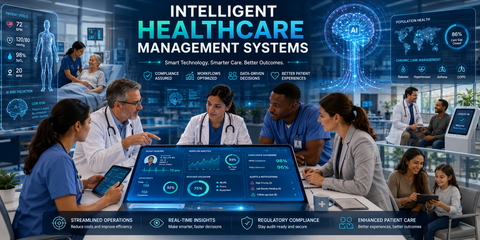
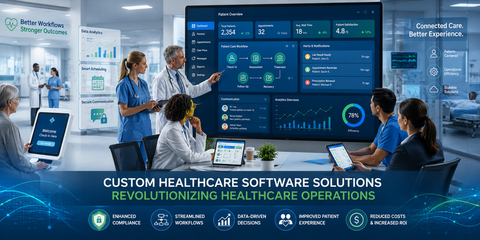
GLXY Software Solutions provides custom healthcare systems designed to streamline workflows, improve coordination, and support compliance requirements.
These solutions include structured systems such as:
-
Clinical scheduling tools for appointment and resource management
https://www.glxysoftwaresolutions.com/healthcare/clinical-scheduling -
HIPAA-compliant document management systems for secure data handling
https://www.glxysoftwaresolutions.com/healthcare/hipaa-document-management
By leveraging these systems, healthcare organizations can create workflows tailored to their exact needs.
Enhancing Efficiency Across the Entire Patient Journey
Custom systems improve efficiency at every stage of the patient journey:
1. Appointment Scheduling
Structured scheduling ensures optimal use of provider time and reduces patient wait times.
2. Documentation and Compliance
Secure document management improves record accuracy and regulatory compliance.
3. Communication and Coordination
Integrated systems enable better communication between administrative staff and healthcare providers.
4. Workflow Automation
Automating repetitive tasks reduces administrative workload and minimizes human error.
Impact on Patient Outcomes
When healthcare systems operate efficiently, patient outcomes improve. Clinics can:
- Deliver faster and more consistent care
- Reduce delays in diagnosis and treatment
- Improve patient engagement and satisfaction
- Maintain better continuity of care
Conclusion
Custom SaaS healthcare solutions are no longer optional. They are essential for modern clinics. By adopting tailored systems like those provided by GLXY Software Solutions, healthcare organizations can improve efficiency, ensure compliance, and deliver better patient care at scale.