Essential Document Management for Aviation Success
Why Document Management Is Critical in Aviation Operations
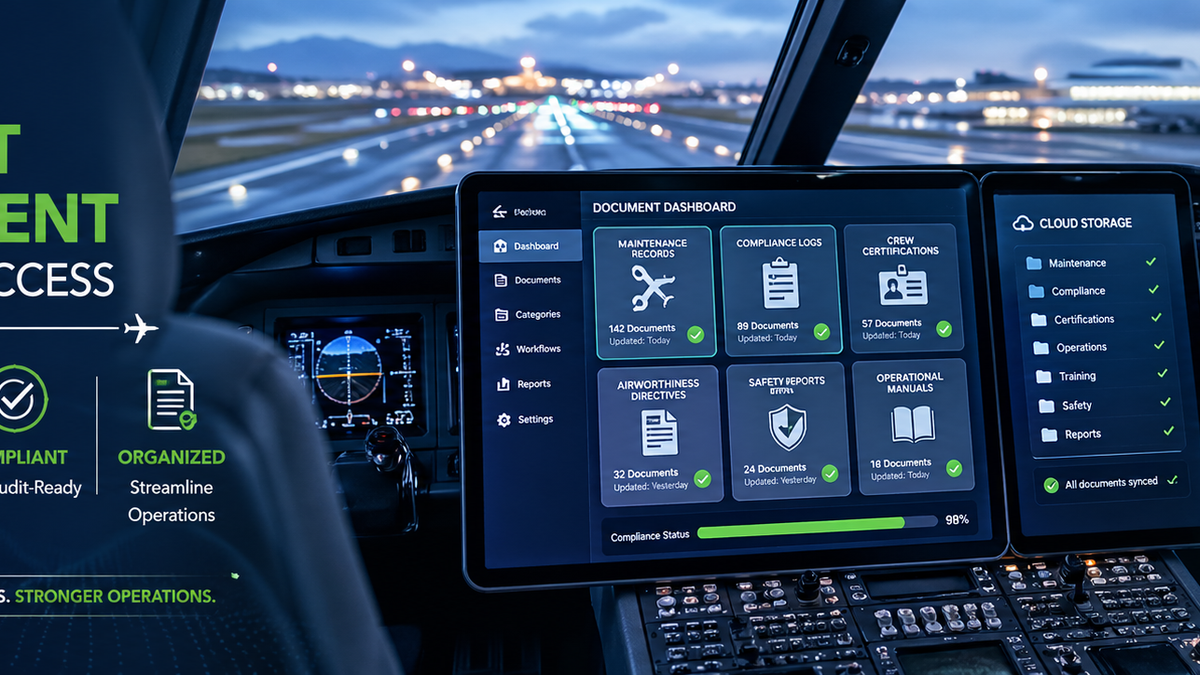
In the aviation industry, documentation is a foundational element of safe and efficient operations. From maintenance records and compliance logs to crew certifications and operational reports, every piece of information must be accurate, accessible, and securely managed.
As aviation operations become more complex, managing this documentation effectively is no longer optional, it is essential.
However, many organizations still rely on fragmented systems, manual processes, or outdated storage methods. These approaches introduce unnecessary risks, inefficiencies, and compliance challenges.
The Challenges of Aviation Document Management
Aviation organizations are responsible for maintaining a wide range of highly sensitive and regulated documents, including:
- Aircraft maintenance and inspection records
- Regulatory and compliance documentation
- Crew certifications and training logs
- Operational reports and safety documentation
When these documents are stored across multiple systems or handled manually, several issues can arise:
- Difficulty accessing up-to-date information
- Increased risk of human error
- Lack of visibility across teams
- Inconsistent document handling processes
- Challenges in meeting regulatory requirements
Even small gaps in documentation can lead to delays, audit complications, or operational risk.
Why Structured, Enterprise-Grade Systems Matter
Modern aviation operations require more than simple file storage. They require structured systems that ensure consistency, security, and real-time accessibility.
A well-designed document management system should provide:
1. Security
Sensitive aviation data must be protected through controlled access and secure systems to prevent unauthorized use.
2. Accessibility
Teams need real-time access to critical documents from multiple locations to support fast decision-making.
3. Traceability
Clear audit trails are essential for compliance, allowing organizations to track updates, approvals, and document history.
4. Consistency
Standardized processes ensure that documentation remains accurate, organized, and up to date across the organization.
These capabilities are essential for maintaining both operational efficiency and regulatory compliance.
A Smarter Approach to Aviation Document Management
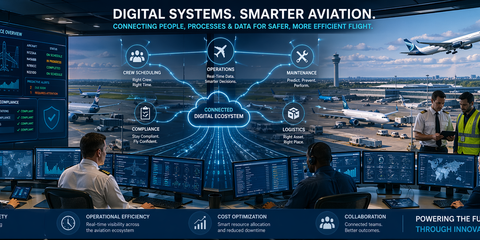
To address these challenges, aviation organizations are moving toward centralized, cloud-based systems that provide structure and visibility across all documentation processes.
GLXY Software Solutions provides aviation-focused systems designed to improve workflow management, operational coordination, and document organization:
https://www.glxysoftwaresolutions.com/aviation
These solutions help organizations transition from fragmented processes to more structured, efficient workflows.
With centralized systems in place, teams can:
- Access documents in real time from a single source
- Maintain consistent and organized records
- Track updates, approvals, and document changes
- Reduce reliance on manual processes
- Improve coordination across departments
Improving Efficiency and Reducing Operational Risk
Structured document management systems provide significant operational benefits, including:
Reduced Administrative Work
Automation and centralized systems reduce manual handling of documents, freeing up time for higher-value tasks.
Improved Accuracy
Standardized workflows minimize errors and ensure that documents remain consistent and reliable.
Faster Decision-Making
Real-time access to accurate information allows teams to respond quickly to operational needs.
Stronger Compliance
Organized and traceable documentation supports regulatory requirements and audit readiness.
Supporting Aviation Teams with Better Systems
In aviation, documentation is closely tied to operational performance. When teams have access to structured systems, they can:
- Coordinate more effectively across departments
- Maintain better control over critical information
- Improve communication and collaboration
- Focus more on operational priorities rather than administrative tasks
This shift not only improves efficiency but also strengthens overall reliability and safety.
Preparing for the Future of Aviation Operations
As aviation operations continue to grow in scale and complexity, the need for structured systems will only increase. Organizations that invest in centralized, workflow-driven solutions will be better equipped to:
- Handle larger volumes of data and documentation
- Adapt to evolving regulatory requirements
- Maintain high standards of safety and performance
- Scale operations without increasing risk
Conclusion
Effective document management is a critical component of modern aviation operations. Fragmented systems and manual processes are no longer sufficient to meet the demands of the industry.
By adopting structured, centralized solutions like those provided by GLXY Software Solutions, aviation organizations can improve efficiency, strengthen compliance, and reduce operational risk.
In today’s environment, secure and organized document management is not just an improvement, it is a necessity for maintaining safe, reliable, and scalable aviation operations.