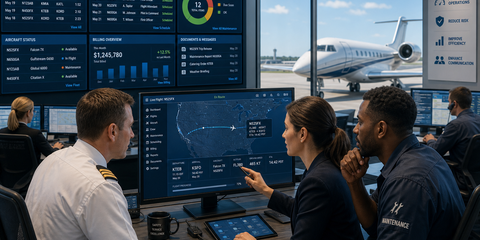
Mastering Aviation Resource Management for Operational Success

Managing Resources in a Highly Complex Aviation Environment
Aviation operations are among the most complex in any industry. Every day, organizations must coordinate aircraft, crew members, maintenance schedules, and ground operations—all within strict regulatory and safety requirements.
As operations scale, managing these resources efficiently becomes increasingly challenging. Without structured systems, even small inefficiencies can lead to delays, increased costs, and operational disruptions.
This is why aviation organizations are turning to structured workflow systems to improve visibility, coordination, and control.
The Core Challenges of Aviation Resource Management
Effective resource management in aviation involves balancing multiple interdependent components. Common challenges include:
- Coordinating crew schedules across multiple flights and time zones
- Managing aircraft availability alongside maintenance requirements
- Allocating resources efficiently across departments
- Ensuring compliance with strict aviation regulations
- Maintaining real-time visibility of operations
When these processes are handled manually or through disconnected tools, organizations often experience communication gaps, scheduling conflicts, and inefficiencies.
The Need for Centralized and Structured Systems
To overcome these challenges, aviation organizations require centralized systems that bring all operational data and workflows into a single, structured environment.
GLXY Software Solutions provides aviation-focused digital solutions designed to improve operational coordination and workflow efficiency.
These solutions are built to support:
- Centralized visibility of operational workflows
- Real-time coordination across teams
- Structured management of resources and schedules
- Improved planning and execution of aviation operations
By consolidating processes into one system, organizations can reduce fragmentation and improve overall operational control.
Enhancing Coordination Across Teams
Aviation operations involve multiple teams working simultaneously, including flight crews, maintenance personnel, ground staff, and operations management.
Structured workflow systems help align these teams by:
- Providing a shared view of schedules and tasks
- Reducing miscommunication between departments
- Ensuring that all teams operate from the same data
- Improving collaboration across different operational areas
This level of coordination is essential for maintaining efficiency in high-pressure environments.
Improving Resource Allocation and Utilization
Efficient resource allocation is critical in aviation, where both time and assets are highly valuable. Structured systems allow organizations to:
- Optimize crew assignments based on availability and requirements
- Align aircraft usage with operational demand
- Plan maintenance activities without disrupting operations
- Balance workloads across teams
This leads to better utilization of resources and reduces unnecessary downtime.
Increasing Operational Visibility and Control
One of the biggest advantages of structured workflow systems is improved visibility. With real-time insights into operations, organizations can:
- Monitor ongoing tasks and schedules
- Identify bottlenecks before they escalate
- Respond quickly to changes or disruptions
- Make data-driven decisions
This level of control is essential for maintaining efficiency and reliability in aviation operations.
Supporting Compliance and Safety Standards
Aviation is a highly regulated industry where compliance and safety are top priorities. Structured systems support these requirements by:
- Ensuring that maintenance schedules are tracked and followed
- Keeping accurate records of operational activities
- Reducing the risk of human error in scheduling and coordination
- Providing clear audit trails for regulatory purposes
By improving consistency and accountability, workflow systems help organizations maintain high safety standards.
Enabling Scalable Aviation Operations
As aviation organizations grow, their operations become more complex. Structured workflow systems provide the scalability needed to support:
- Expansion across multiple locations
- Increased flight volumes and operations
- Larger teams and more complex coordination
- Evolving regulatory requirements
Custom, scalable solutions ensure that systems can grow alongside the organization without introducing inefficiencies.
Conclusion
Aviation resource management requires precision, coordination, and real-time visibility. Without structured systems, managing these complex operations can become inefficient and error-prone.
By implementing aviation-focused workflow solutions like those provided by GLXY Software Solutions, organizations can improve coordination, optimize resource utilization, and enhance overall operational performance.
In an industry where efficiency and reliability are critical, structured workflow systems are no longer optional—they are essential for long-term success.