12 Modern Construction Industry Trends Driving Smarter Project Management
Modern Construction Industry Trends Shaping Today's Projects
The construction industry continues to evolve as technology transforms how projects are planned, managed, and delivered. While many trends introduced over the past few years remain relevant, today's focus has shifted from simply adopting new technology to integrating solutions that improve collaboration, visibility, and project execution.
Construction firms face increasing pressure to complete projects on schedule, manage costs, improve communication, and adapt to labor shortages while maintaining high quality and safety standards. Digital transformation has become one of the most effective ways to address these challenges.
Below are some of the most significant trends influencing modern construction operations.
1. Connected Project Management Platforms
Construction projects involve owners, project managers, contractors, subcontractors, architects, engineers, and suppliers. Without a centralized system, communication often becomes fragmented.
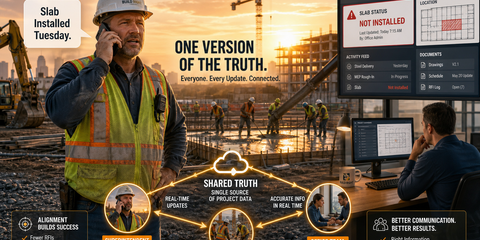
Modern construction organizations are increasingly adopting cloud-based project management platforms that provide one source of truth for schedules, documents, tasks, and project updates.
GLXY Software Solutions offers construction workflow solutions designed to improve collaboration and project visibility throughout every phase of a project.
Learn more:
https://www.glxysoftwaresolutions.com/construction-project-management
2. Real-Time Project Visibility
Project managers need immediate access to project status, outstanding tasks, and schedule changes.
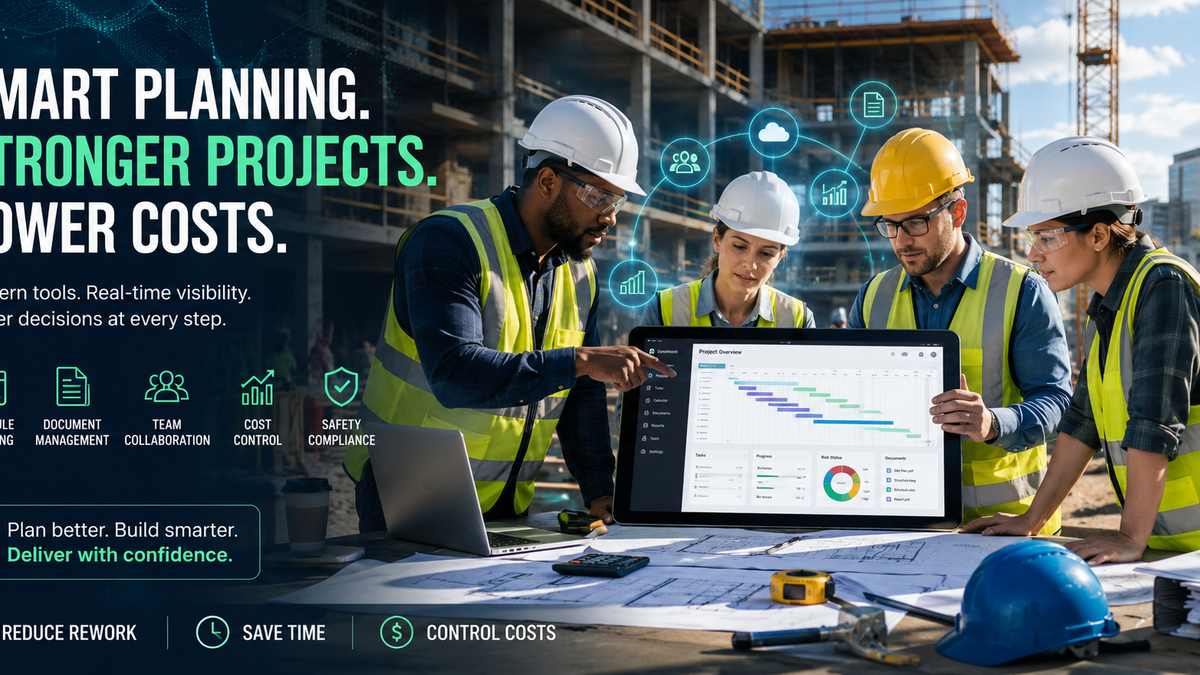
Instead of relying on spreadsheets and lengthy email chains, modern teams benefit from centralized dashboards that provide real-time insight into project progress.
Having up-to-date information helps teams identify issues early and make faster, more informed decisions.
3. Digital Document Management
Construction projects generate thousands of documents throughout their lifecycle, including:
- Blueprints
- RFIs
- Contracts
- Change orders
- Inspection reports
- Safety documentation
- Meeting notes
Cloud-based document management makes it easier to organize, locate, and collaborate on these files while reducing version-control issues and administrative overhead.
4. Improved Collaboration Across Teams
Construction projects succeed when everyone works from the same information.
Digital collaboration tools allow project managers, field supervisors, contractors, and office staff to communicate more efficiently by sharing updates, files, schedules, and approvals in one centralized environment.
This reduces misunderstandings and keeps projects moving forward.
5. Mobile Access for Field Teams
Construction work happens on-site—not behind a desk.
Mobile-friendly project management systems allow field personnel to:
- View project schedules
- Access drawings
- Upload photos
- Report issues
- Complete inspections
- Track daily progress
This keeps everyone connected regardless of location.
6. Better Task and Workflow Tracking
Managing hundreds of tasks across multiple teams can quickly become overwhelming.
Structured workflow systems help construction companies assign responsibilities, monitor progress, and ensure important milestones stay on schedule.
GLXY's Pulse Point Project Tracker helps organizations improve project visibility, accountability, and workflow management across teams.
Learn more:
https://www.glxysoftwaresolutions.com/pulse-point-project-tracker
7. Increased Focus on Safety
Safety remains one of the industry's highest priorities.
Digital systems help improve safety by allowing organizations to:
- Track inspections
- Maintain safety documentation
- Record incidents
- Share updates quickly
- Monitor corrective actions
Better documentation also supports regulatory compliance and continuous improvement.
8. Cloud-Based Construction Operations
Cloud technology has become the standard for modern construction organizations.
Cloud-based systems allow teams to:
- Access project information anywhere
- Collaborate in real time
- Reduce dependency on local servers
- Improve business continuity
This flexibility is especially valuable for organizations managing multiple projects simultaneously.
9. Data-Driven Decision Making
Construction companies now collect more operational data than ever before.
Project metrics—including schedules, budgets, resource utilization, and task completion—provide valuable insights that help leadership improve planning and identify opportunities for greater efficiency.
Data-driven decisions reduce uncertainty and improve project outcomes.
10. Automation of Administrative Work
Administrative tasks often consume valuable time that could be spent managing projects.
Automation helps reduce repetitive work by streamlining processes such as:
- Document approvals
- Notifications
- Status updates
- Workflow routing
- Task assignments
This allows project teams to focus on higher-value activities.
11. Better Resource Coordination
Successful construction projects depend on coordinating people, equipment, materials, and schedules.
Centralized workflow systems improve visibility across resources, helping organizations reduce conflicts and make better use of available capacity.
12. Scalable Digital Infrastructure
As construction companies grow, manual processes become increasingly difficult to manage.
Scalable digital platforms provide the flexibility to support:
- Multiple concurrent projects
- Larger teams
- Additional office locations
- Increased documentation requirements
Organizations that invest in scalable systems are better prepared for long-term growth.
Why Construction Companies Are Investing in Digital Transformation
Technology is no longer simply a competitive advantage—it has become an operational necessity.
Modern construction organizations are investing in software that helps them:
- Improve project visibility
- Streamline communication
- Reduce manual processes
- Increase operational efficiency
- Deliver projects more consistently
GLXY Software Solutions provides custom software and workflow solutions designed to help construction organizations simplify complex processes and improve collaboration across every stage of a project.
Explore GLXY's Construction Project Management solutions:
https://www.glxysoftwaresolutions.com/construction-project-management
Final Thoughts
The future of construction is driven by better collaboration, smarter workflows, and connected digital systems.
Organizations that embrace structured project management, centralized information, and modern workflow tools are better positioned to improve efficiency, reduce delays, and deliver successful projects.
As the industry continues to evolve, investing in scalable digital solutions will help construction companies remain competitive while meeting the growing demands of today's projects.