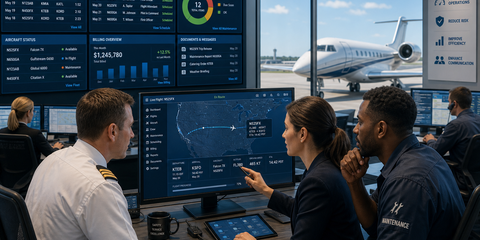
Transforming Aviation Operations: Effective Scheduling Solutions

Reimagining Aviation Operations with Better Scheduling and Coordination
Aviation operations depend on precise timing, coordination, and compliance. From crew scheduling and aircraft availability to maintenance planning and regulatory requirements, every part of the operation must work in sync.
As operations grow more complex, traditional scheduling methods often relying on manual coordination or disconnected systems struggle to keep up. This can lead to inefficiencies, delays, and increased operational risk.
To address these challenges, aviation organizations are turning to structured, digital workflow systems that improve visibility, coordination, and control.
The Complexity of Aviation Scheduling
Scheduling in aviation is far more complex than simple calendar management. Organizations must coordinate multiple variables at once, including:
- Crew availability and certifications
- Aircraft scheduling and maintenance windows
- Regulatory compliance requirements
- Operational constraints and route planning
- Real-time changes due to weather or operational conditions
Without a centralized system, managing these variables can become difficult and error-prone.
Challenges with Traditional Scheduling Approaches
Many aviation organizations still rely on fragmented tools or manual processes, which often result in:
- Scheduling conflicts and inefficiencies
- Limited visibility across operations
- Delays in responding to operational changes
- Increased administrative workload
- Risk of non-compliance with regulatory standards
These challenges can impact both operational performance and safety.
A Structured Approach to Aviation Scheduling
To improve scheduling efficiency, aviation organizations are adopting structured systems that centralize workflows and provide real-time visibility.
These systems help organizations move from reactive scheduling to more structured and proactive operations.
Key Capabilities of Modern Aviation Scheduling Systems
1. Centralized Workflow Management
A unified system allows teams to manage scheduling, operations, and coordination from a single platform, reducing fragmentation.
2. Real-Time Visibility
Operational teams gain immediate insight into schedules, resource availability, and ongoing activities, enabling faster decision-making.
3. Conflict Identification and Resolution
Structured systems help identify potential conflicts in scheduling, allowing teams to address issues before they impact operations.
4. Compliance Support
Aviation workflows must meet strict regulatory requirements. Structured systems help ensure that scheduling aligns with compliance standards and operational policies.
5. Integration Across Operations
Modern systems support coordination between scheduling, maintenance, and operational teams, improving overall efficiency.
Improving Operational Efficiency and Coordination
With structured scheduling systems in place, aviation organizations can achieve:
- Better coordination across teams and departments
- Reduced scheduling conflicts and delays
- Improved resource utilization (crew and aircraft)
- Faster response to operational changes
This level of coordination is essential for maintaining reliable and efficient operations.
Enhancing Compliance and Reducing Risk
Compliance is a critical component of aviation operations. Structured systems help ensure that:
- Scheduling aligns with regulatory requirements
- Documentation and workflows are properly tracked
- Operational decisions are supported by accurate data
By improving visibility and control, organizations can reduce risk and maintain higher standards of safety and reliability.
Supporting Scalable Aviation Operations
As aviation organizations expand, their scheduling needs become more complex. Structured workflow systems provide the scalability required to:
- Manage larger fleets and teams
- Coordinate operations across multiple locations
- Maintain consistency in processes
- Adapt to changing operational demands
This ensures that growth does not lead to increased inefficiency or risk.
Conclusion
Aviation scheduling is a complex and critical function that requires more than manual coordination or basic tools. As operations evolve, structured workflow systems are essential for maintaining efficiency, compliance, and reliability.
By adopting aviation-focused solutions like those provided by GLXY Software Solutions, organizations can improve coordination, reduce operational friction, and build more scalable and efficient operations.
In today’s aviation environment, structured scheduling is not just an improvement, it is a necessity for long-term operational success.