6 Construction Safety Best Practices Every Project Team Should Follow
6 Construction Safety Best Practices Every Project Team Should Follow
Construction sites are among the most dynamic work environments. Multiple crews, heavy equipment, changing schedules, and evolving project requirements all contribute to the complexity of keeping workers safe.
While personal protective equipment (PPE) and safety training remain essential, today's construction companies also recognize the importance of organization, communication, and project visibility. A well-managed project reduces confusion, improves accountability, and helps teams identify potential safety issues before they become incidents.
At GLXY Software Solutions, we understand that successful construction projects rely on more than skilled workers—they also require structured project management and streamlined communication. Learn more about our Construction Project Management solution:
https://www.glxysoftwaresolutions.com/construction-project-management
Below are six best practices that can help improve safety while supporting more efficient construction operations.
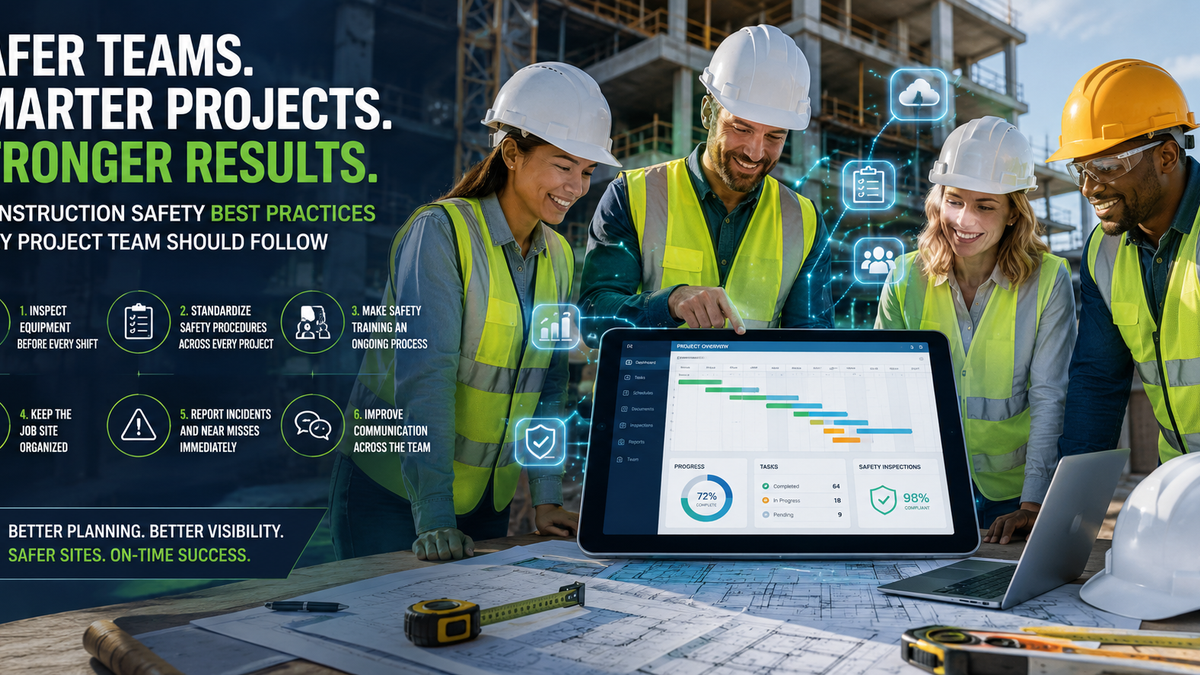
1. Inspect Equipment Before Every Shift
Equipment inspections are one of the simplest yet most effective ways to reduce workplace accidents. Heavy machinery, power tools, scaffolding, ladders, and lifting equipment should all be inspected before use.
Routine inspections help identify:
- Damaged or worn equipment
- Missing safety guards
- Hydraulic or electrical issues
- Defective ladders or scaffolding
- Unsafe tools requiring repair or replacement
Keeping inspection records organized also improves accountability and makes it easier to demonstrate compliance during audits.
2. Standardize Safety Procedures Across Every Project
Every worker should understand the safety expectations before entering a job site.
Clear and consistent procedures help reduce confusion, especially on projects involving multiple contractors or subcontractors.
Examples include:
- Proper PPE requirements
- Fall protection procedures
- Hazard communication
- Equipment operation guidelines
- Emergency response plans
Using standardized workflows and digital project documentation helps ensure every team member has access to the latest procedures and project information.
3. Make Safety Training an Ongoing Process
Construction safety isn't a one-time orientation.
As projects evolve, crews encounter new equipment, changing work environments, and different hazards. Regular safety meetings keep everyone informed and reinforce best practices.
Effective training should cover:
- Proper equipment operation
- Hazard recognition
- PPE usage
- Emergency procedures
- Reporting unsafe conditions
Daily toolbox talks and pre-shift meetings help reinforce a culture where safety remains a top priority.
4. Keep the Job Site Organized
A clean and organized worksite significantly reduces the likelihood of accidents.
Poor housekeeping can create:
- Trip hazards
- Blocked emergency exits
- Improper material storage
- Increased equipment damage
- Reduced productivity
Good organization extends beyond the physical job site. Keeping project documents, schedules, inspection reports, and task assignments centralized helps teams stay coordinated throughout the project.
GLXY Software Solutions helps construction companies improve project visibility by centralizing project information, schedules, and workflows within a single platform:
https://www.glxysoftwaresolutions.com/construction-project-management
5. Report Incidents and Near Misses Immediately
Every incident—regardless of severity—provides an opportunity to improve safety.
Prompt reporting allows project managers to:
- Investigate root causes
- Correct unsafe conditions
- Update procedures
- Prevent similar incidents in the future
Near misses are especially valuable because they identify potential risks before someone gets injured.
Maintaining accurate documentation also supports regulatory compliance and continuous improvement initiatives.
6. Improve Communication Across the Entire Project Team
Construction projects involve numerous stakeholders, including project managers, supervisors, subcontractors, engineers, and field crews.
Miscommunication can lead to:
- Schedule conflicts
- Incomplete tasks
- Unsafe work conditions
- Delayed inspections
- Costly project rework
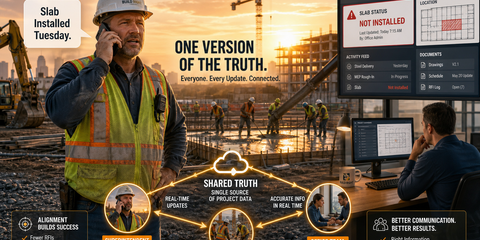
Centralized project management systems improve communication by giving everyone access to current schedules, project updates, task assignments, and documentation.
When teams work from the same information, they can make better decisions, reduce delays, and improve job site safety.
Technology Supports Safer Construction Projects
Modern construction companies are increasingly using digital project management systems to improve both productivity and safety.
By centralizing project information, organizations can:
- Track project progress in real time
- Improve collaboration between office and field teams
- Organize project documentation
- Monitor task completion
- Increase accountability across the project lifecycle
GLXY Software Solutions provides Construction Project Management solutions that help contractors organize projects, streamline workflows, and improve coordination across teams.
Learn more:
https://www.glxysoftwaresolutions.com/construction-project-management
Conclusion
Construction safety is built on preparation, communication, and consistency. Regular equipment inspections, standardized procedures, ongoing training, organized job sites, accurate reporting, and effective communication all contribute to a safer and more productive workplace.
By combining strong safety practices with structured project management tools, construction companies can reduce risk, improve efficiency, and keep projects moving forward with greater confidence.