Enhancing Construction Safety and Risk Management with Structured Project Management Systems
Improving Construction Safety Through Better Planning and Coordination
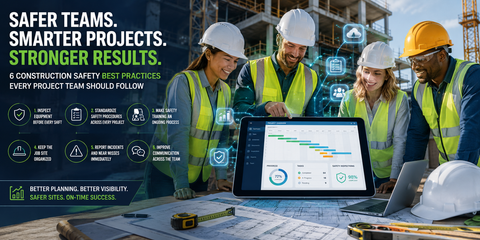
Safety management remains one of the most critical aspects of successful construction project delivery. As projects become larger and more complex, construction companies face increasing challenges in maintaining safety standards, coordinating teams, and managing operational risks while staying on schedule and within budget.
While emerging technologies such as artificial intelligence continue to evolve, the foundation of effective construction safety management remains the same: structured workflows, real-time visibility, and efficient project coordination.
By implementing centralized project management and workflow systems, construction organizations can improve safety oversight, reduce operational risks, and create more predictable project outcomes.
The Challenges of Construction Safety and Risk Management
Construction projects involve multiple teams, subcontractors, timelines, and regulatory requirements that must be carefully coordinated. Common challenges include:
- Inconsistent communication across project teams
- Difficulty tracking safety documentation and compliance requirements
- Limited visibility into project progress and potential risks
- Manual scheduling and resource allocation processes
- Delays caused by poor coordination and workflow bottlenecks
Without structured systems in place, these challenges can increase the likelihood of safety incidents, project delays, and cost overruns.
The Importance of Structured Project Management Systems
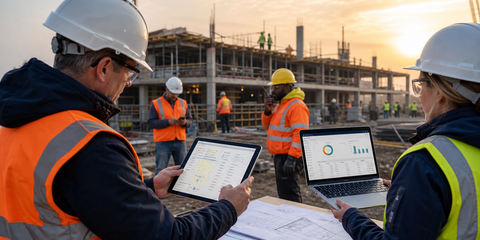
Modern construction organizations are increasingly adopting centralized digital systems to improve project coordination and risk management.
GLXY Software Solutions provides construction project management and workflow solutions designed to help organizations improve operational visibility, team coordination, and project execution:
https://www.glxysoftwaresolutions.com/construction-project-management
These solutions help construction teams establish standardized processes that support both operational efficiency and safety objectives.
Improving Safety Through Better Coordination
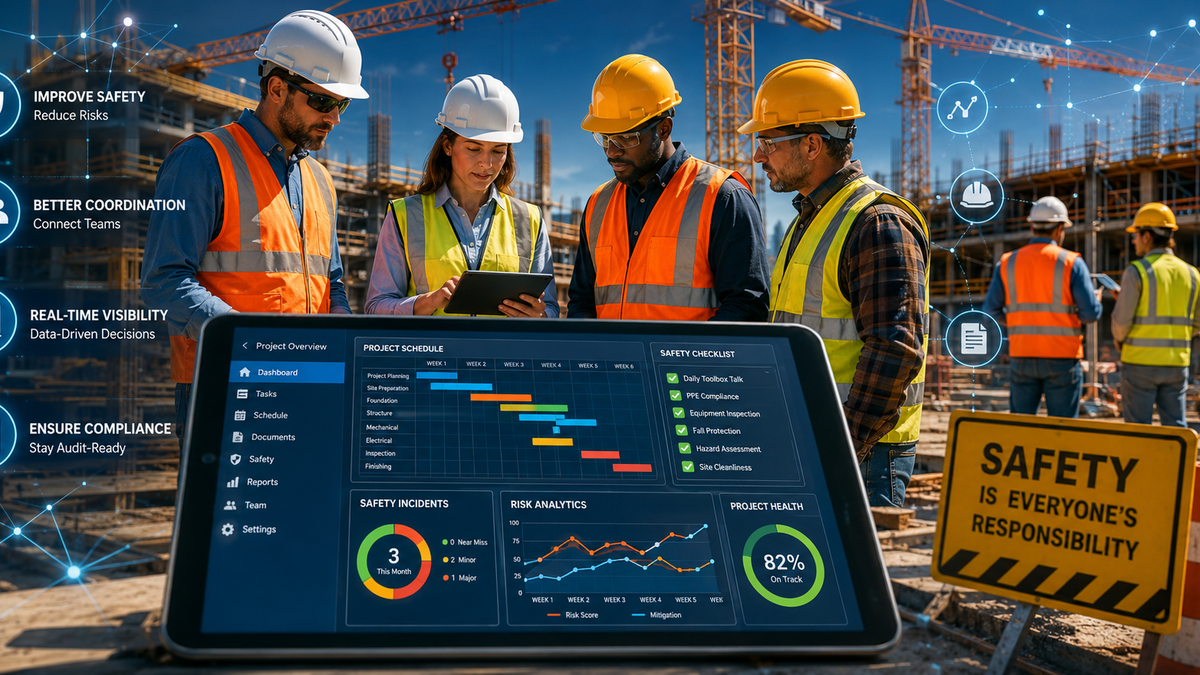
Effective safety management begins with effective communication and project coordination. Structured project management systems enable organizations to:
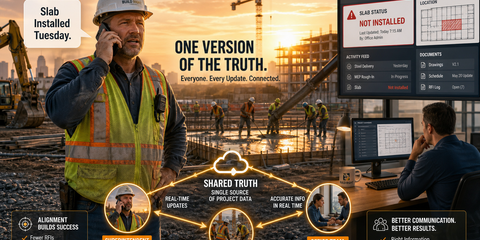
Centralize Project Information
Project teams can access critical information, schedules, and documentation from a single source, reducing communication gaps and confusion.
Improve Resource Planning
Better visibility into staffing, scheduling, and project timelines helps managers allocate resources more effectively while minimizing operational conflicts.
Track Safety Documentation
Centralized systems simplify the management of safety records, inspections, compliance documentation, and project reporting.
Enhance Team Communication
Improved collaboration tools help ensure that project updates, safety requirements, and operational changes are communicated quickly and accurately.
Reducing Operational Risk
Construction risk management requires organizations to identify potential issues before they impact project outcomes. Structured workflow systems help support this process by providing:
- Real-time visibility into project progress
- Better tracking of tasks and responsibilities
- Improved accountability across teams
- More consistent documentation processes
- Enhanced oversight of operational activities
This increased visibility allows project managers to identify potential challenges earlier and respond more effectively.
Supporting Compliance and Accountability
Construction organizations must comply with various safety regulations, industry standards, and internal operational procedures. Structured systems support compliance efforts by helping organizations:
- Maintain organized documentation
- Track inspections and approvals
- Standardize project workflows
- Improve audit readiness
- Strengthen operational accountability
By maintaining accurate records and structured processes, companies can reduce administrative burdens while improving compliance outcomes.
Building a Stronger Safety Culture
Technology alone cannot create a safe construction environment. However, structured systems can help reinforce a culture of safety by:
- Increasing transparency across teams
- Improving communication and reporting
- Clarifying roles and responsibilities
- Supporting proactive decision-making
- Encouraging accountability throughout the organization
When teams have access to accurate information and clearly defined processes, they are better equipped to maintain high safety standards.
Preparing Construction Operations for Future Growth
As construction projects become more complex, organizations need scalable systems that can adapt to changing operational requirements. Structured project management platforms provide the flexibility needed to:
- Support larger projects and teams
- Manage multiple project sites
- Improve coordination across stakeholders
- Maintain consistency across operations
- Scale without increasing operational risk
Conclusion
Construction safety and risk management require more than manual processes and disconnected tools. Organizations need structured systems that provide visibility, coordination, and operational control.
By implementing construction project management solutions like those offered by GLXY Software Solutions, contractors can improve project coordination, strengthen safety practices, reduce operational risks, and deliver projects more efficiently.
In today's construction environment, investing in structured workflow and project management systems is not just a competitive advantage—it is an operational necessity.
Learn more about GLXY's construction solutions:
https://www.glxysoftwaresolutions.com/construction-project-management