Automation in Construction: How Digital Workflows Are Shaping the Future
Automation in Construction: How Digital Workflows Are Shaping the Future
The construction industry has always evolved to meet new challenges. Today, one of the biggest drivers of that evolution isn't robotics on the job site—it's the automation of everyday business processes.
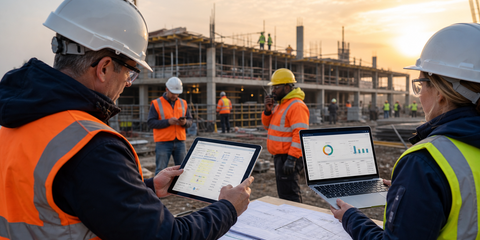
From project tracking and document management to communication and reporting, construction companies are increasingly adopting digital workflow solutions to reduce manual work, improve collaboration, and keep projects moving forward. Automation is helping organizations spend less time on administrative tasks and more time delivering successful projects.
What Does Construction Automation Mean Today?
When people think of construction automation, they often imagine autonomous equipment or robotic machinery. While those technologies continue to develop, most construction companies experience automation in a much more practical way.
Modern construction automation focuses on digitizing and streamlining everyday workflows, including:
- Project planning and tracking
- Task management
- Document organization
- Team communication
- Progress reporting
- Project scheduling
Rather than replacing people, these technologies help project managers, field supervisors, and office staff work more efficiently and make better-informed decisions.
Why Construction Companies Are Investing in Digital Workflows
Construction projects involve many moving parts. Teams must coordinate subcontractors, vendors, schedules, budgets, documentation, and project milestones while keeping everyone aligned.
Without a centralized system, companies often experience:
- Delayed project updates
- Duplicate or outdated information
- Communication breakdowns
- Difficulty tracking project progress
- Time-consuming manual reporting
- Missed deadlines due to disconnected workflows
As projects become larger and more complex, these challenges can significantly affect productivity and profitability.
The Benefits of Workflow Automation in Construction
Implementing structured digital workflows helps construction companies improve efficiency throughout every stage of a project.
Better Project Visibility
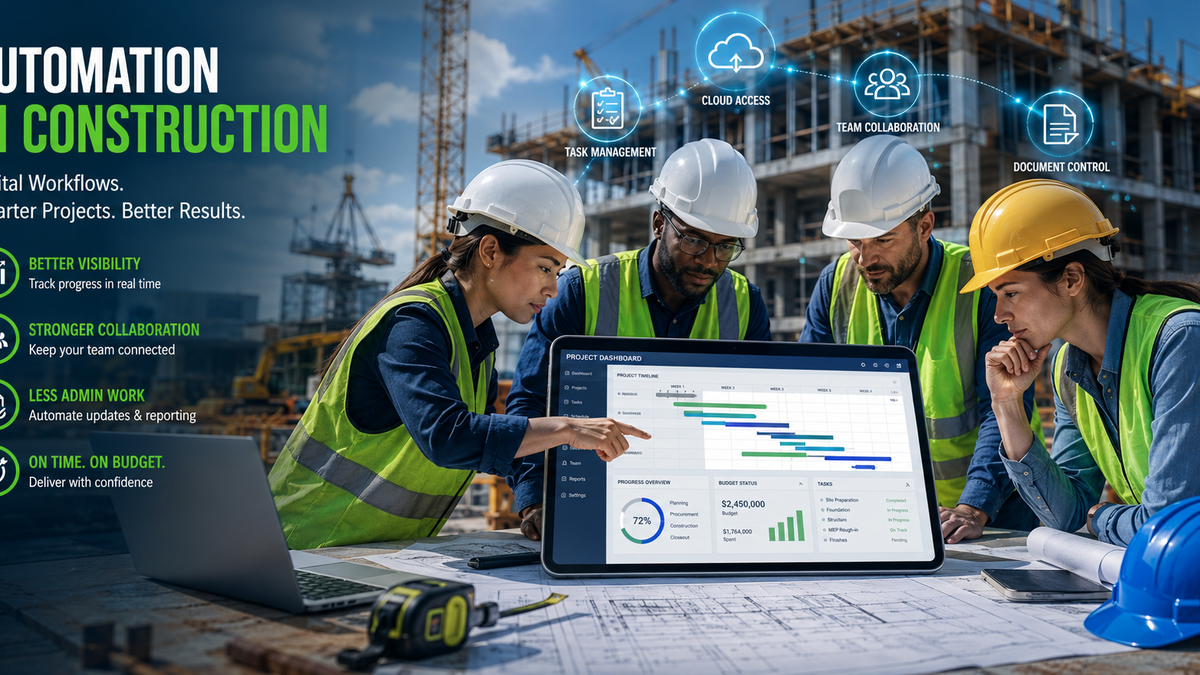
When project information is centralized, managers can monitor progress, identify bottlenecks, and make decisions based on current data instead of waiting for manual updates.
Improved Team Collaboration
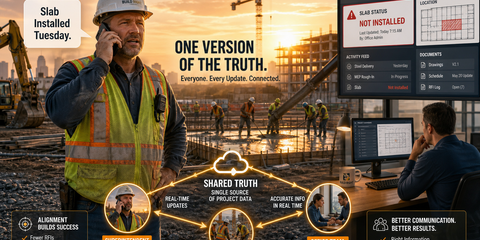
Construction teams often work across offices, job sites, and remote locations. Digital workflow systems provide a shared source of information, making communication faster and more consistent.
Reduced Administrative Work
Automating routine processes such as task assignments, progress updates, and reporting allows employees to spend more time focusing on project execution rather than paperwork.
More Accurate Project Tracking
Centralized systems help organizations keep project schedules, milestones, and deliverables organized, reducing the likelihood of missed deadlines or overlooked tasks.
Scalable Operations
As construction companies grow, standardized workflows make it easier to manage multiple projects simultaneously while maintaining consistency across teams.
Supporting Construction Teams with GLXY Software Solutions
GLXY Software Solutions helps construction companies improve operational efficiency through custom workflow and project management solutions designed for the way construction teams actually work.
GLXY's Construction Project Management solution helps organizations organize projects, improve collaboration, and maintain visibility throughout the project lifecycle:
https://www.glxysoftwaresolutions.com/construction-project-management
For teams looking to better manage tasks, timelines, and project progress, GLXY also offers the Pulse Point Project Tracker, which provides centralized tracking to keep projects moving efficiently:
https://www.glxysoftwaresolutions.com/pulse-point-project-tracker
These solutions are designed to reduce manual coordination while giving project managers and stakeholders better visibility into ongoing work.
Common Challenges When Adopting Digital Construction Workflows
Like any operational improvement, implementing new technology requires planning and change management.
Organizations may encounter challenges such as:
- Transitioning from paper-based processes
- Standardizing workflows across departments
- Training employees on new systems
- Integrating digital tools into existing operations
However, these challenges are often outweighed by the long-term benefits of improved efficiency, better communication, and stronger project oversight.
The Future of Construction Is Connected
Construction companies are increasingly relying on connected digital systems to improve project delivery. Instead of isolated spreadsheets and disconnected communication, organizations are moving toward integrated workflows that provide greater visibility and accountability.
Future construction operations will continue to benefit from:
- Centralized project information
- Real-time collaboration
- Automated reporting
- Better resource planning
- Improved project transparency
- Data-driven decision-making
Companies that invest in structured workflow systems today will be better positioned to adapt as technology and project demands continue to evolve.
Conclusion
Automation in construction is no longer limited to machinery or emerging technologies. Today, one of the most impactful forms of automation is the digitization of project workflows, communication, and operational processes.
By implementing structured workflow and project management solutions like those offered by GLXY Software Solutions, construction organizations can improve collaboration, reduce administrative workload, increase project visibility, and deliver projects more efficiently.
As the construction industry continues to evolve, organizations that embrace digital workflows will be better equipped to manage complexity, support growth, and deliver successful projects in an increasingly competitive market.