Best Practices for Managing an Efficient Orthopedic Clinic
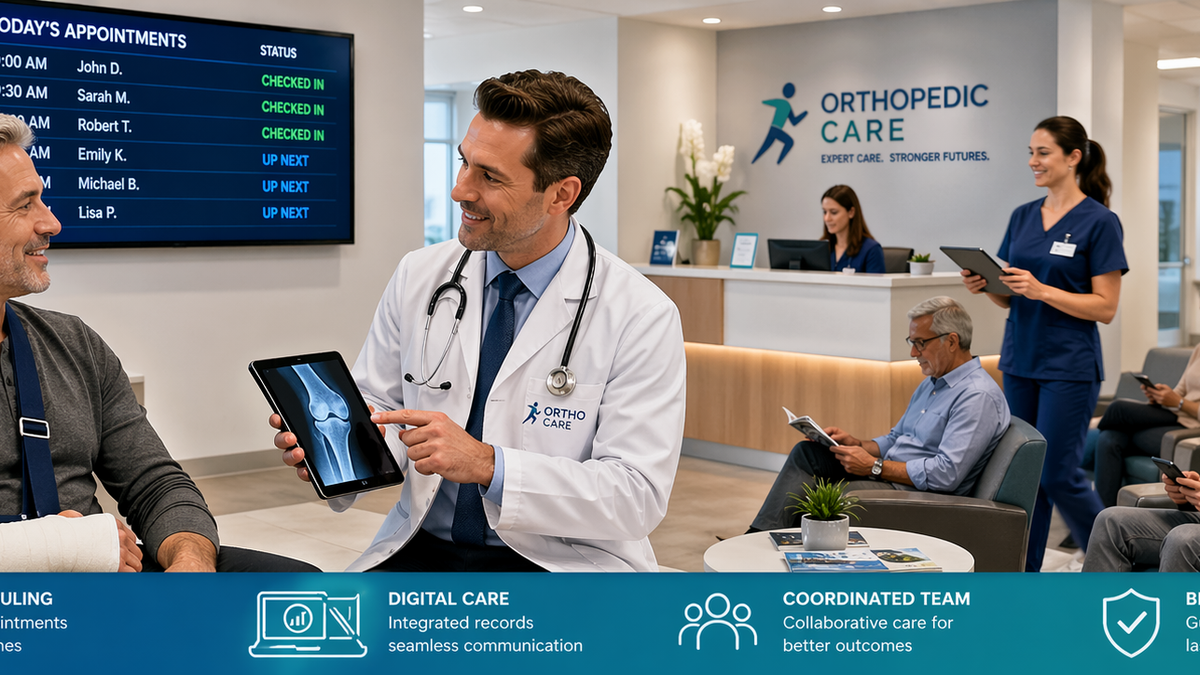
Orthopedic clinics handle a wide range of conditions, from acute injuries to long-term musculoskeletal disorders. Managing these cases requires coordination across consultations, diagnostics, treatment, and rehabilitation.
As patient demand grows, clinics must adopt efficient systems to maintain high standards of care while optimizing daily operations.
Key Challenges in Orthopedic Practice
Orthopedic care is often complex and multi-stage, creating several operational challenges:
- Coordinating multiple appointments across treatment phases
- Managing high patient volumes
- Tracking recovery progress over time
- Ensuring clear communication between healthcare providers
Without structured workflows, these challenges can lead to scheduling conflicts, delays, and reduced patient satisfaction.
The Importance of Efficient Scheduling Systems
One of the most critical aspects of orthopedic clinic management is scheduling. Poor scheduling can result in long wait times, missed appointments, and inefficient use of resources.
GLXY Software Solutions provides clinical scheduling systems designed to improve coordination and streamline healthcare operations:
https://www.glxysoftwaresolutions.com/healthcare/clinical-scheduling
These systems support:
- Organized and efficient appointment booking
- Automated scheduling processes
- Better allocation of staff and resources
- Reduced patient wait times
Improving Coordination Across Care Teams
Orthopedic treatment often involves collaboration between physicians, therapists, and support staff. Structured scheduling systems help ensure that all team members are aligned, leading to:
- Smoother patient transitions between care stages
- Improved communication across departments
- More consistent treatment delivery
Enhancing Patient Experience
Efficient scheduling and coordination directly impact the patient experience. Clinics that optimize their workflows can:
- Reduce delays and waiting times
- Provide more consistent care
- Improve overall patient satisfaction
Conclusion
Managing an orthopedic clinic efficiently requires more than clinical expertise—it requires structured systems that support scheduling, coordination, and workflow optimization. Clinics that invest in these systems are better positioned to deliver high-quality care at scale.