Bridge Communication Gaps in Construction Projects Effectively
Fix Communication Gaps Across Construction Job Sites
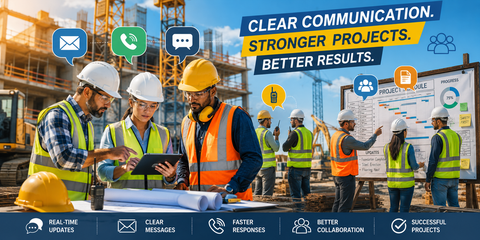
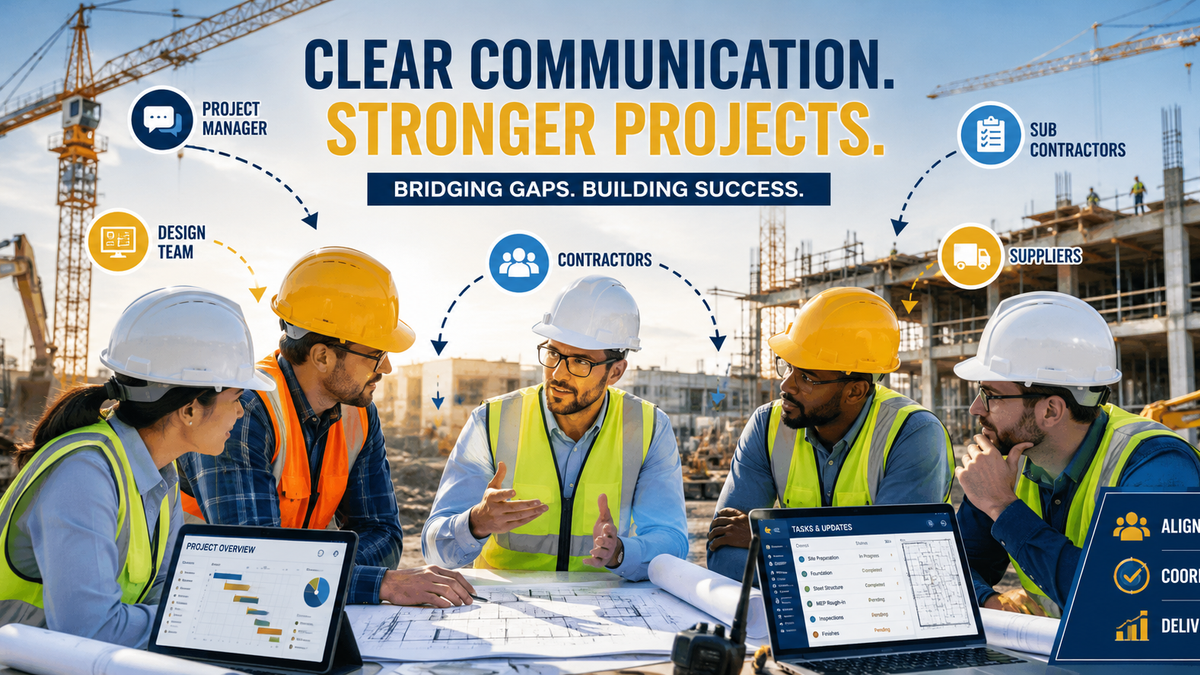
Construction projects depend on clear, timely communication. Project managers, contractors, subcontractors, suppliers, designers, and clients all need access to accurate information to keep work moving. When communication breaks down, even a small delay can lead to missed deadlines, duplicated work, scheduling conflicts, and unnecessary costs.
Modern construction projects are often spread across multiple job sites, teams, and locations. Relying on disconnected communication channels, manual updates, and scattered documents can make it difficult for everyone to stay informed.
For construction companies looking to improve coordination, a structured project management system can help create a more organized way to manage project information, workflows, schedules, and communication.
Are Communication Gaps Affecting Your Construction Projects?
Communication gaps can occur at virtually any stage of a construction project. A schedule change may not reach a subcontractor in time. A revised document may be stored in a location that other team members cannot access. A project update may remain buried in an email thread instead of being available to everyone who needs it.
These seemingly small issues can create larger operational problems, including:
- Missed or delayed project updates
- Scheduling conflicts between teams
- Difficulty tracking project progress
- Outdated project documents being used in the field
- Increased administrative work
- Delays caused by incomplete or inconsistent information
When project teams lack a centralized way to manage information and workflows, communication becomes reactive instead of structured.
What Should a Construction Project Management System Provide?
A modern construction project management system should do more than store project information. It should help teams organize workflows, improve visibility, and ensure that the right information is available when it is needed.
For construction organizations, useful capabilities can include:
- Centralized project information: Keep important project information organized so authorized team members can access what they need without searching through multiple systems.
- Improved project visibility: Give project managers better visibility into tasks, schedules, progress, and outstanding work.
- Structured communication: Help project teams coordinate updates and responsibilities through organized workflows rather than relying entirely on scattered email conversations.
- Document management: Keep project documentation organized and accessible while helping teams work from current information.
- Task and workflow tracking: Track responsibilities and project activities so teams can identify what needs attention and keep projects moving.
Improve Construction Project Coordination with Better Systems
GLXY Software Solutions provides construction project management solutions designed to help organizations improve project coordination and workflow management.
By using structured project management systems, construction teams can establish more consistent processes for organizing project activities and maintaining visibility across ongoing work.
This can be particularly valuable when multiple stakeholders are involved. Project managers can coordinate work more effectively while teams have a clearer understanding of project requirements, responsibilities, and progress.
Keep Project Teams Connected
Construction projects involve people working in different locations and performing different responsibilities. Office teams may be coordinating with field personnel, subcontractors may be waiting for updated information, and suppliers may need to respond to changes in project schedules.
A centralized project management approach helps reduce the communication gaps that can occur between these groups.
Instead of relying on isolated conversations and spreadsheets, teams can establish structured workflows that make project information easier to manage and follow.
Make Project Information Easier to Access
Access to accurate information is essential for construction teams. When documents, project updates, schedules, and task information are spread across different platforms, employees may spend valuable time searching for the information they need.
A centralized system can help organize project information and provide authorized users with easier access to relevant resources.
This can help reduce unnecessary administrative work while giving project teams greater confidence that they are working with the information available within the project management system.
Improve Visibility Into Project Progress
Effective communication is closely connected to project visibility. When project managers can see what has been completed, what is currently in progress, and what still requires attention, they can make better-informed decisions.
Structured project tracking can help teams:
- Monitor project activities and tasks
- Identify outstanding work
- Coordinate responsibilities across teams
- Track progress more consistently
- Address potential workflow issues earlier
This level of visibility can help construction organizations move from reactive problem-solving toward more proactive project management.
Reduce Dependence on Manual Communication
Email remains an important communication tool, but it should not be the only system used to manage construction projects. When important project information exists exclusively in email conversations, it can become difficult to track, retrieve, and share.
Structured project management systems provide a more organized environment for managing project activities and information. This allows email and other communication tools to support the workflow rather than becoming the workflow itself.
Prepare Construction Operations for a More Connected Future
The construction industry continues to become more digitally connected. Teams increasingly need to coordinate work across locations, manage growing amounts of project information, and respond quickly to changes.
Construction companies that continue relying exclusively on fragmented processes may find it increasingly difficult to maintain the visibility and coordination required for complex projects.
Implementing a structured construction project management system can provide a stronger foundation for managing modern projects while creating workflows that can adapt as the organization grows.
Conclusion
Communication gaps can create significant challenges across construction projects. Missed updates, scattered documentation, unclear responsibilities, and limited project visibility can all contribute to delays and unnecessary administrative work.
The solution is not simply more communication—it is better-organized communication supported by structured project management workflows.
With construction project management solutions from GLXY Software Solutions, organizations can improve project coordination, increase visibility, organize workflows, and create a more efficient way to manage construction operations.
Learn more about GLXY's construction project management solutions and discover how structured technology can help close communication gaps across your projects.