How to Prevent Miscommunication on Construction Projects: 10 Strategies for Better Team Collaboration
Why Clear Communication Matters in Construction
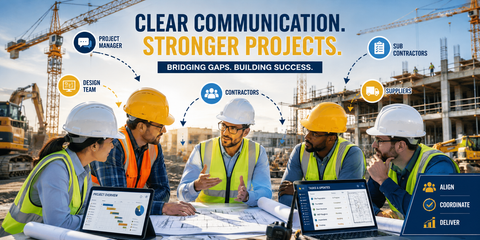
Construction projects involve multiple teams, contractors, subcontractors, suppliers, and project managers working together under tight schedules. Every day, important decisions are made that affect timelines, budgets, and job site safety.
When communication breaks down, even small misunderstandings can create costly consequences. Missed updates, outdated documents, unclear responsibilities, or delayed approvals can lead to project delays, rework, safety concerns, and increased costs.
Fortunately, many of these challenges can be prevented by establishing structured communication processes and using project management tools that keep everyone working from the same source of information.
The Cost of Miscommunication
Poor communication can affect every stage of a construction project. Common issues include:
- Missed project deadlines
- Duplicate or unnecessary work
- Scheduling conflicts
- Delayed approvals
- Incorrect document versions
- Budget overruns
- Safety risks on the job site
- Reduced accountability across teams
The larger the project becomes, the more important it is to maintain consistent communication between everyone involved.
10 Ways to Improve Communication on Construction Projects
1. Start Every Day with Clear Priorities
Before work begins, ensure every team understands the day's objectives, responsibilities, and deadlines.
Short daily planning meetings help clarify:
- Current project priorities
- Safety reminders
- Schedule changes
- Resource requirements
- Potential roadblocks
When everyone starts with the same information, projects run more smoothly.
2. Establish One Reliable Source of Project Information
One of the biggest causes of miscommunication is having information scattered across emails, text messages, spreadsheets, and paper documents.
Instead, project information should be centralized so everyone references the same data.
GLXY Software Solutions provides construction project management solutions that help organize project information, improve collaboration, and keep teams aligned throughout every stage of a project.
Learn more:
https://www.glxysoftwaresolutions.com/construction-project-management
3. Clearly Define Roles and Responsibilities
Every team member should understand:
- Their responsibilities
- Who they report to
- Who approves decisions
- Who owns each task
When responsibilities are clearly assigned, accountability improves and confusion decreases.
4. Keep Project Documentation Organized
Construction projects generate hundreds—or even thousands—of documents, including:
- Drawings
- RFIs
- Specifications
- Contracts
- Change orders
- Inspection reports
- Safety documentation
Without organized document management, teams may unknowingly work from outdated information.
Using structured document management helps ensure everyone has access to the latest project files.
5. Improve Visibility Across the Entire Project
Project managers need visibility into every stage of a project.
Real-time tracking helps answer questions like:
- What tasks are complete?
- What work is currently in progress?
- What milestones are approaching?
- Where are delays occurring?
Having this visibility enables faster decision-making and helps teams resolve issues before they become major problems.
GLXY's Pulse Point Project Tracker helps teams monitor project progress, improve accountability, and keep everyone aligned.
https://www.glxysoftwaresolutions.com/pulse-point-project-tracker
6. Standardize Communication Processes
Every project should establish clear communication procedures, including:
- Daily project updates
- Weekly progress meetings
- Change request approvals
- Issue escalation procedures
- Documentation standards
Consistency reduces misunderstandings and ensures important information reaches the right people.
7. Encourage Collaboration Across Teams
Construction projects rely on collaboration between office staff, field personnel, contractors, architects, engineers, and clients.
Creating a culture where questions are encouraged and updates are shared regularly helps prevent assumptions and keeps projects moving forward.
8. Use Technology to Reduce Administrative Work
Administrative tasks often consume valuable project time.
Modern construction management systems can help streamline processes such as:
- Task tracking
- Progress reporting
- Notifications
- Project documentation
- Workflow management
Automating routine processes allows teams to focus on delivering successful projects rather than managing paperwork.
9. Monitor Progress Continuously
Waiting until the end of a project to identify communication issues is often too late.
Regular monitoring allows project managers to:
- Identify bottlenecks early
- Resolve issues quickly
- Adjust schedules when needed
- Improve team coordination
Real-time project visibility supports better planning and more informed decision-making throughout the project lifecycle.
10. Invest in the Right Construction Management Solution
Technology alone cannot solve communication problems, but the right platform can significantly improve how information is shared and managed.
GLXY Software Solutions offers construction workflow and project management solutions designed to help organizations:
- Improve communication across teams
- Centralize project information
- Track project progress
- Manage tasks more efficiently
- Increase operational visibility
- Support better collaboration from planning through project completion
By providing a structured environment for communication and project management, organizations can reduce delays and improve overall project performance.
Learn more about GLXY's Construction Project Management solutions:
https://www.glxysoftwaresolutions.com/construction-project-management
Better Communication Leads to Better Project Outcomes
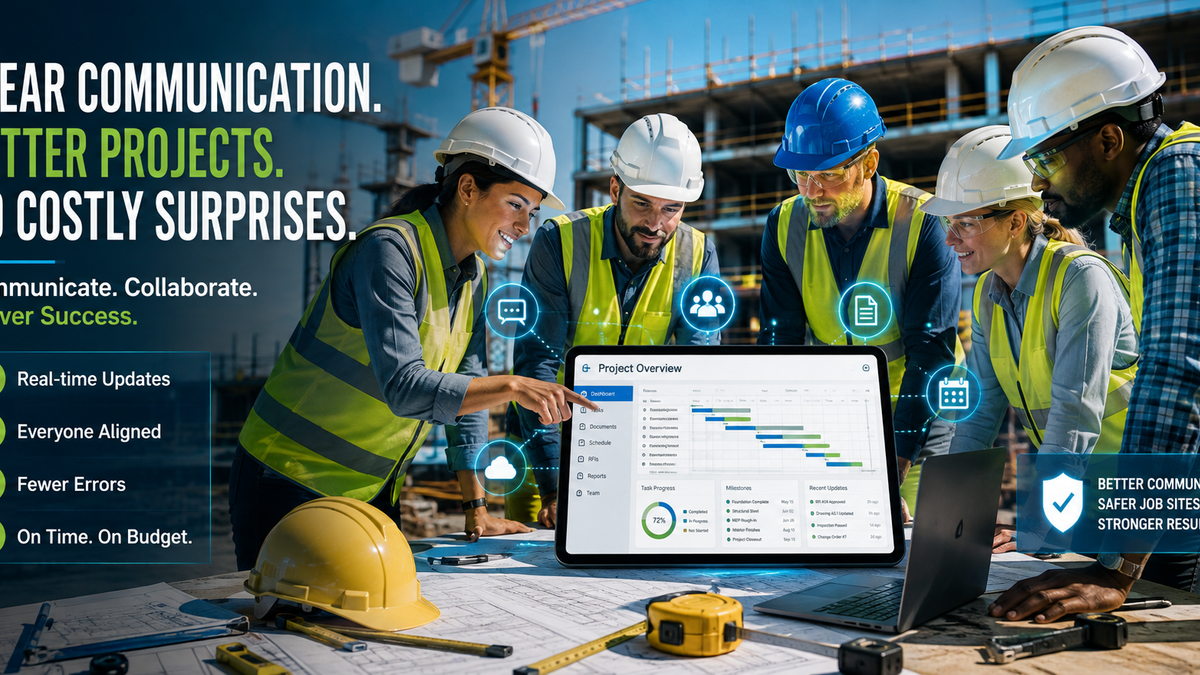
Successful construction projects depend on clear communication, organized workflows, and accurate information.
When teams have access to centralized project data, standardized communication processes, and effective workflow tools, they can make better decisions, reduce costly mistakes, and keep projects moving on schedule.
As projects become larger and more complex, investing in structured construction management systems becomes increasingly valuable—not only for improving communication but also for enhancing productivity, accountability, and long-term project success.
Whether you're managing a single job site or coordinating multiple projects, improving communication is one of the most effective ways to deliver safer, more efficient, and more successful construction projects.