Digital Engineering and Digital Construction: Building Smarter Projects with Modern Technology
The Digital Transformation of Construction
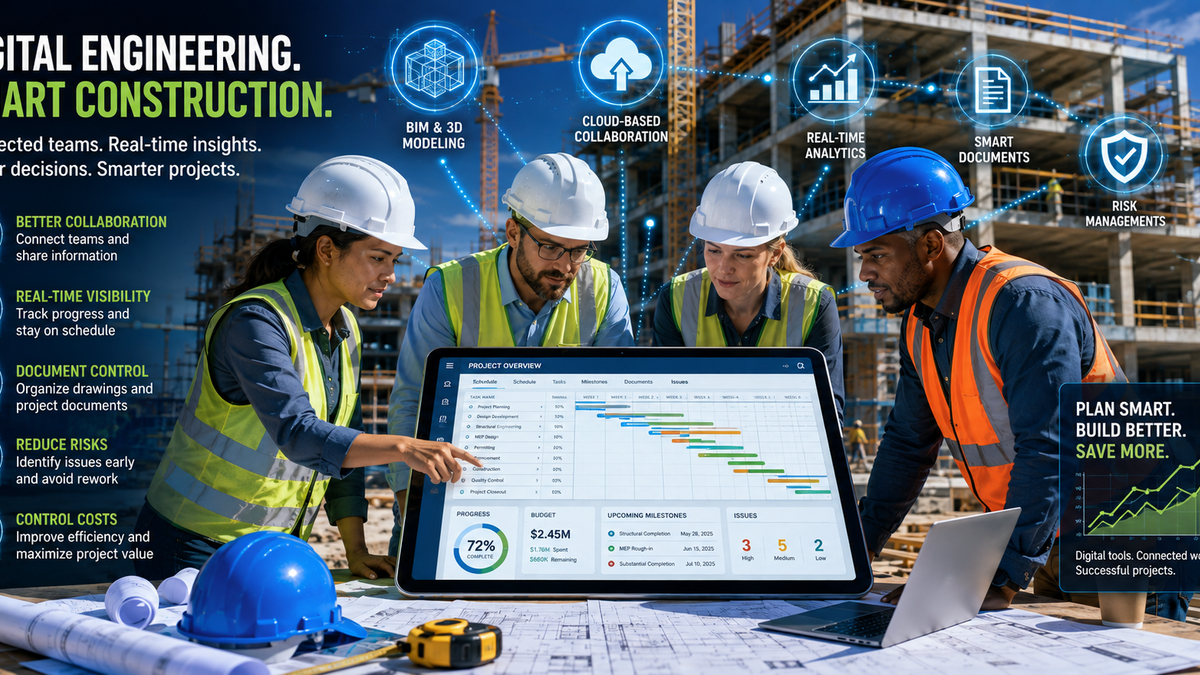
The architecture, engineering, and construction (AEC) industry is undergoing a significant digital transformation. As projects become larger, more complex, and involve more stakeholders, construction companies need better ways to coordinate teams, manage information, and keep projects on schedule.
Digital engineering and digital construction are helping organizations move away from fragmented processes and manual tracking toward more connected, data-driven operations. Rather than relying on disconnected spreadsheets, emails, and paper documentation, companies can now use centralized digital platforms to improve collaboration, visibility, and project execution.
The goal is not simply to digitize existing processes—it is to create more efficient workflows that support better decision-making throughout the entire project lifecycle.
What Is Digital Engineering?
Digital engineering is the use of modern technologies, digital workflows, and centralized data to improve the planning, design, execution, and management of engineering and construction projects.
Instead of information being stored across multiple systems, digital engineering brings project data together so that teams can collaborate more effectively and make informed decisions.
This approach helps organizations:
- Improve collaboration across departments
- Reduce manual processes and duplicated work
- Increase visibility into project progress
- Improve document organization
- Make faster, data-driven decisions
As projects become more technically demanding, digital engineering provides the structure needed to manage growing complexity.
The Challenges Facing Today's Construction Industry
Construction projects involve numerous moving parts. Project managers, engineers, subcontractors, architects, suppliers, and clients all depend on accurate and timely information.
Without structured systems, organizations often encounter challenges such as:
- Disconnected communication between teams
- Difficulty tracking project milestones
- Outdated project documentation
- Delayed approvals and decision-making
- Limited visibility into project status
- Manual reporting and administrative tasks
These inefficiencies can increase costs, delay schedules, and reduce overall project performance.
Digital Construction Goes Beyond Design
While technologies such as Building Information Modeling (BIM) have played an important role in the evolution of digital construction, successful digital transformation extends far beyond digital models.
Modern construction organizations benefit from connected workflows that improve coordination across every stage of a project—from planning and scheduling to execution, documentation, and project closeout.
Digital construction is about ensuring that every stakeholder has access to accurate information when they need it, allowing projects to move forward more efficiently.
Why Connected Project Management Matters
One of the biggest advantages of digital construction is having a centralized system for managing project activities.
GLXY Software Solutions provides construction project management solutions designed to help organizations improve visibility, collaboration, and workflow efficiency throughout the project lifecycle.
https://www.glxysoftwaresolutions.com/construction-project-management
With structured project management systems, construction teams can:
- Track project progress in real time
- Improve communication across stakeholders
- Organize project documentation
- Monitor milestones and deadlines
- Reduce administrative overhead
By centralizing project information, organizations gain better control over complex construction projects.
Improving Project Visibility with Real-Time Tracking
Construction projects often involve hundreds—or even thousands—of individual tasks. Without effective tracking, it becomes difficult to understand project status or identify potential delays.
GLXY's Pulse Point Project Tracker helps organizations monitor project activities, improve accountability, and keep teams aligned throughout execution.
https://www.glxysoftwaresolutions.com/pulse-point-project-tracker
A centralized project tracking solution enables organizations to:
- Monitor task completion
- Track project milestones
- Improve team accountability
- Identify bottlenecks early
- Make faster project decisions
This level of visibility allows managers to respond proactively instead of reactively.
Strengthening Collaboration Across Teams
Construction projects depend on collaboration between multiple disciplines.
Digital platforms make collaboration easier by providing:
- Shared project information
- Centralized communication
- Organized documentation
- Standardized workflows
- Improved coordination between office and field teams
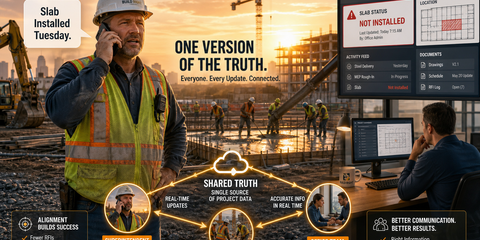
When everyone works from the same source of information, misunderstandings are reduced and project execution becomes more consistent.
Better Data Leads to Better Decisions
Every construction project generates valuable operational data.
By organizing this information within structured systems, organizations can:
- Analyze project performance
- Improve forecasting
- Allocate resources more effectively
- Reduce project risk
- Identify opportunities for continuous improvement
Instead of relying on assumptions, project leaders can make informed decisions using accurate, real-time information.
Preparing Construction Organizations for the Future
As construction projects continue to increase in complexity, organizations need scalable systems that can support growth.
Modern digital platforms provide the flexibility to:
- Manage multiple concurrent projects
- Coordinate distributed teams
- Standardize operational processes
- Improve long-term project visibility
- Support ongoing business growth
Investing in digital workflows today helps construction companies remain competitive in an increasingly technology-driven industry.
Conclusion
Digital engineering and digital construction are transforming how projects are planned, managed, and delivered. By replacing fragmented processes with connected workflows, construction organizations can improve collaboration, increase operational visibility, and deliver projects more efficiently.
GLXY Software Solutions helps organizations modernize their construction operations through construction project management and project tracking solutions that support better coordination, stronger communication, and more informed decision-making.
As digital transformation continues to reshape the AEC industry, organizations that embrace structured, cloud-based project management systems will be better positioned to deliver successful projects on time and with greater confidence.