HIPAA-Compliant Healthcare Document Management: Protecting Patient Data in a Digital World
Why HIPAA Compliance Matters for Modern Healthcare Organizations
Healthcare organizations manage some of the most sensitive information in the world. Patient records, treatment histories, insurance information, and other protected health information (PHI) must be handled with the highest level of security and care.
As healthcare operations become increasingly digital, organizations face growing challenges in maintaining compliance, protecting patient data, and ensuring secure access to critical information. This is why HIPAA-compliant document management systems have become an essential part of modern healthcare operations.
Rather than relying on manual processes, paper records, or fragmented storage systems, healthcare providers are adopting secure, cloud-based solutions that help protect sensitive information while improving operational efficiency.
The Growing Challenges of Healthcare Data Management
Healthcare organizations generate and manage vast amounts of documentation every day, including:
- Patient records and medical histories
- Treatment plans and clinical documentation
- Insurance and billing records
- Compliance and audit documentation
- Internal policies and operational records
When these documents are stored across multiple locations or managed through outdated systems, organizations often face:
- Increased risk of unauthorized access
- Difficulty locating critical information quickly
- Challenges maintaining compliance requirements
- Time-consuming administrative processes
- Greater exposure to data breaches and security incidents
As healthcare regulations continue to evolve, organizations need systems that provide both security and operational flexibility.
Understanding HIPAA Compliance in Document Management
The Health Insurance Portability and Accountability Act (HIPAA) establishes standards for protecting patient information and ensuring the confidentiality, integrity, and availability of healthcare data.
For healthcare organizations, compliance requires more than simply storing documents securely. It also involves:
- Controlling who can access sensitive information
- Maintaining audit trails of document activity
- Protecting data during storage and transmission
- Supporting secure collaboration among authorized users
- Ensuring information remains available when needed
Meeting these requirements can be difficult without the right technology infrastructure.
How Secure Document Management Systems Support Healthcare Compliance
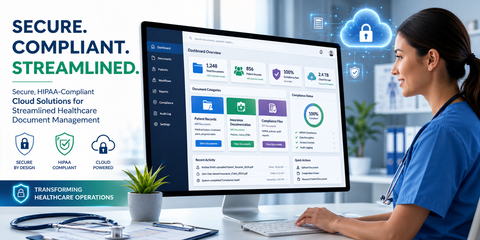
Modern document management systems provide healthcare organizations with the tools needed to organize, secure, and manage sensitive information more effectively.
GLXY Software Solutions offers healthcare-focused document management solutions designed to support secure workflows and compliance requirements:
https://www.glxysoftwaresolutions.com/healthcare/hipaa-document-management
These solutions help healthcare organizations create structured processes for handling protected health information while reducing administrative burden.
Key Benefits of HIPAA-Compliant Document Management
Enhanced Data Security
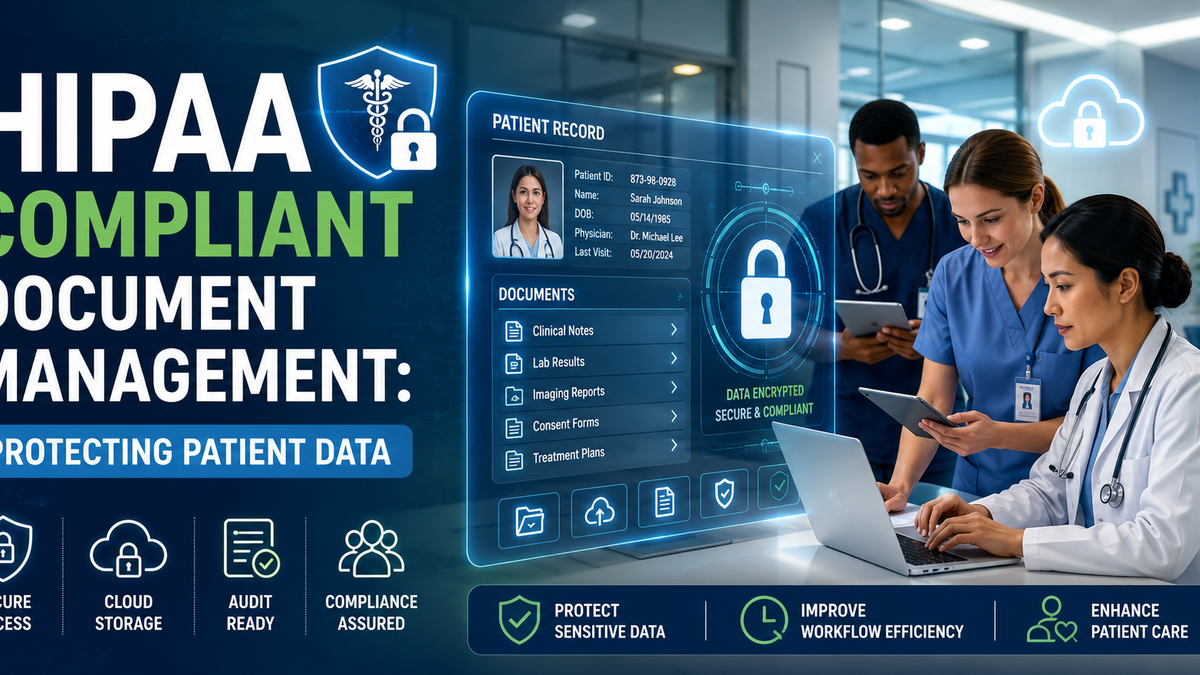
Protecting patient information is one of the primary responsibilities of healthcare organizations. Secure document management systems help safeguard data through:
- Controlled user access
- Secure cloud storage
- Data encryption
- Activity monitoring and audit capabilities
These features help reduce the risk of unauthorized access and data exposure.
Improved Accessibility and Collaboration
Healthcare professionals need access to information when they need it. A centralized document management system allows authorized users to securely access records from approved locations, improving collaboration and supporting patient care.
Better Organization and Efficiency
Manually searching for documents can consume valuable time and resources. Structured document management systems help teams:
- Organize records consistently
- Locate information faster
- Reduce duplicate documentation
- Improve workflow efficiency
This allows healthcare professionals to spend more time focusing on patients and less time managing paperwork.
Audit Readiness and Compliance Support
Healthcare organizations must be prepared for audits and compliance reviews. Modern systems help maintain detailed records of document activity, making it easier to demonstrate compliance and track document history.
Supporting Better Patient Care Through Better Systems
Effective document management does more than support compliance—it also contributes to better patient outcomes.
When healthcare teams have quick access to accurate and up-to-date information, they can:
- Make more informed decisions
- Improve communication across departments
- Reduce delays in care delivery
- Enhance overall operational performance
Structured systems help ensure that critical information is available when it matters most.
Preparing for the Future of Healthcare Operations
As healthcare organizations continue to adopt digital technologies, the need for secure and scalable document management solutions will only increase.
Organizations that invest in structured, HIPAA-compliant systems are better positioned to:
- Adapt to evolving regulatory requirements
- Support growing volumes of healthcare data
- Improve operational efficiency
- Strengthen patient trust and confidence
Secure document management is no longer simply an administrative function—it is a critical component of modern healthcare operations.
Conclusion
Protecting patient information while maintaining operational efficiency is one of the biggest challenges facing healthcare organizations today. HIPAA-compliant document management systems provide the structure, security, and accessibility needed to meet these demands.
By implementing secure healthcare document management solutions like those offered by GLXY Software Solutions, organizations can improve compliance, strengthen data protection, and create more efficient workflows that support both staff and patients.
In today's healthcare environment, secure document management is not just a compliance requirement—it is a foundation for long-term operational success.