The Future of Healthcare Document Management
How Healthcare Organizations Can Improve Efficiency, Compliance, and Patient Care
Healthcare organizations generate thousands of documents every day. Patient records, clinical notes, appointment schedules, billing information, compliance reports, and operational documentation all play a vital role in delivering quality care.
As healthcare operations become increasingly digital, managing this information efficiently has become more important than ever. Traditional paper-based systems and disconnected software platforms often create bottlenecks that slow operations, increase administrative workloads, and make compliance more difficult.
Modern healthcare organizations are turning to secure, cloud-based document management solutions to improve accessibility, strengthen compliance, and support better patient outcomes.
The Growing Complexity of Healthcare Documentation
Every healthcare practice, clinic, and medical organization must manage a wide range of documentation, including:
- Patient intake forms
- Medical records
- Treatment plans
- Appointment schedules
- Insurance and billing documentation
- Compliance and audit records
- Staff certifications and training documents
As organizations grow, maintaining accuracy and accessibility across these documents becomes increasingly challenging.
Without a centralized system, teams often struggle with:
- Duplicate records
- Missing information
- Delayed document retrieval
- Manual filing processes
- Increased compliance risks
These issues can negatively impact both operational efficiency and patient experience.
Why Cloud-Based Document Management Matters
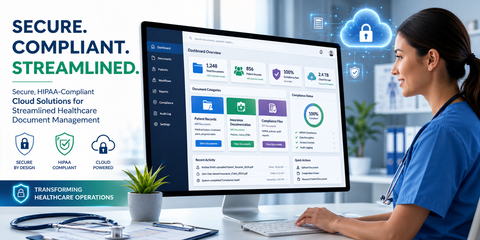
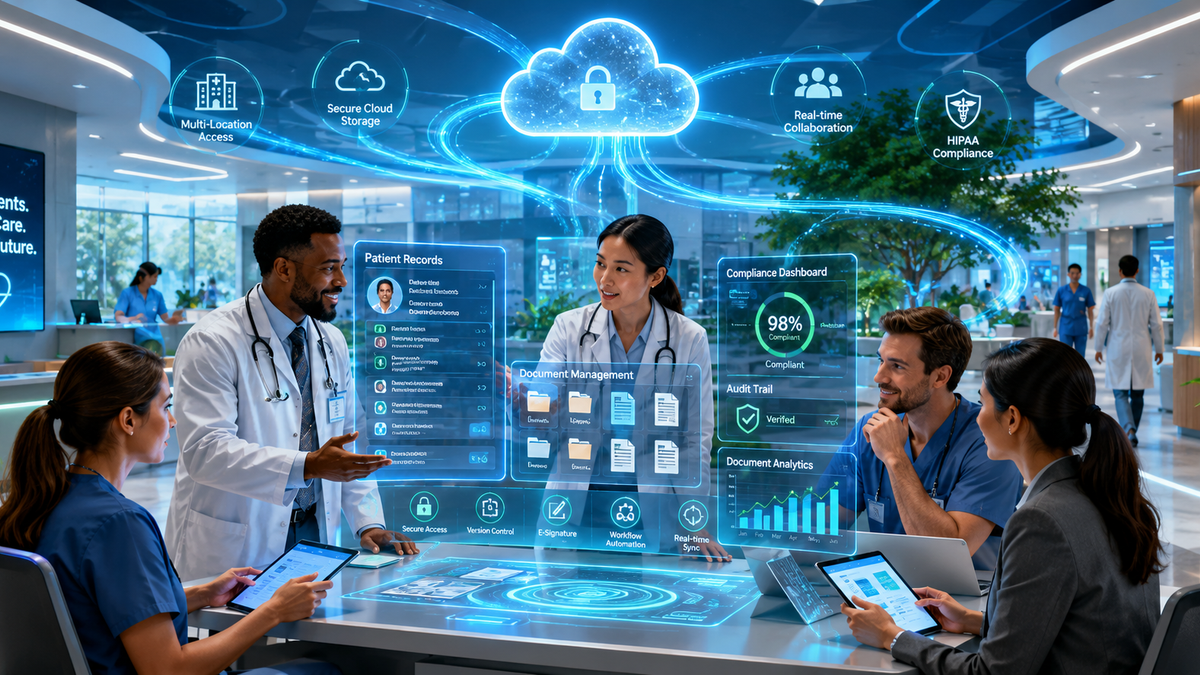
Cloud-based document management systems provide healthcare organizations with a centralized location for storing, organizing, and accessing important information.
Benefits include:
Improved Accessibility
Authorized staff can securely access documents from anywhere, helping support remote work, multi-location practices, and faster patient service.
Better Collaboration
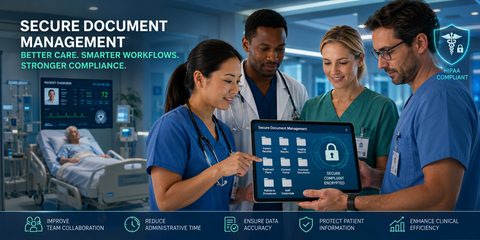
Departments can work from the same information in real time, reducing communication gaps and improving coordination.
Enhanced Security
Modern systems provide secure access controls, user permissions, activity tracking, and data protection measures designed to safeguard sensitive healthcare information.
Greater Operational Efficiency
Automated workflows reduce administrative tasks, allowing staff to focus more on patient care and less on paperwork.
Supporting HIPAA Compliance
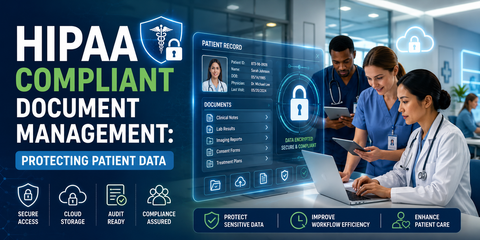
One of the most important considerations in healthcare document management is maintaining compliance with HIPAA requirements.
Healthcare organizations must ensure that patient information remains protected while still being accessible to authorized personnel.
GLXY Software Solutions offers a HIPAA-focused document management solution designed to help healthcare organizations securely manage sensitive information while improving accessibility and workflow efficiency:
https://www.glxysoftwaresolutions.com/healthcare/hipaa-document-management
By centralizing documentation and improving security controls, healthcare providers can strengthen compliance efforts and reduce administrative risk.
Connecting Documentation with Clinical Scheduling
Document management does not exist in isolation. Scheduling, communication, and workflow management are all connected parts of the patient experience.
When scheduling systems and document management processes work together, healthcare organizations can:
- Reduce appointment errors
- Improve patient communication
- Increase staff productivity
- Streamline operational workflows
- Improve visibility across departments
GLXY's Clinical Scheduling solution helps healthcare organizations improve appointment management and operational coordination:
https://www.glxysoftwaresolutions.com/healthcare/clinical-scheduling
The Role of Custom Healthcare Software
Every healthcare organization has unique processes, workflows, and documentation requirements.
While standard software can address common needs, many organizations benefit from custom solutions tailored to their specific operations.
Custom healthcare software can help organizations:
- Automate repetitive administrative tasks
- Improve data visibility
- Streamline patient workflows
- Integrate multiple systems into a unified platform
- Support long-term operational growth
GLXY Software Solutions specializes in developing custom software solutions that help organizations modernize and optimize their operations.
Preparing for the Future of Healthcare
Healthcare continues to evolve, and organizations need systems that can grow with them.
Investing in modern document management and workflow solutions helps healthcare providers:
- Improve operational efficiency
- Enhance patient experiences
- Strengthen compliance efforts
- Reduce administrative burdens
- Support digital transformation initiatives
Organizations that embrace modern healthcare technology today will be better positioned to meet tomorrow's challenges.
Conclusion
Effective document management is no longer simply an administrative requirement—it is a critical component of modern healthcare operations.
By implementing secure, cloud-based systems and integrating them with scheduling and workflow solutions, healthcare organizations can improve efficiency, strengthen compliance, and deliver better patient experiences.
Related GLXY Healthcare Solutions
-
HIPAA Document Management
https://www.glxysoftwaresolutions.com/healthcare/hipaa-document-management -
Clinical Scheduling
https://www.glxysoftwaresolutions.com/healthcare/clinical-scheduling