How Technology is Improving Patient Care in Podiatry Clinics
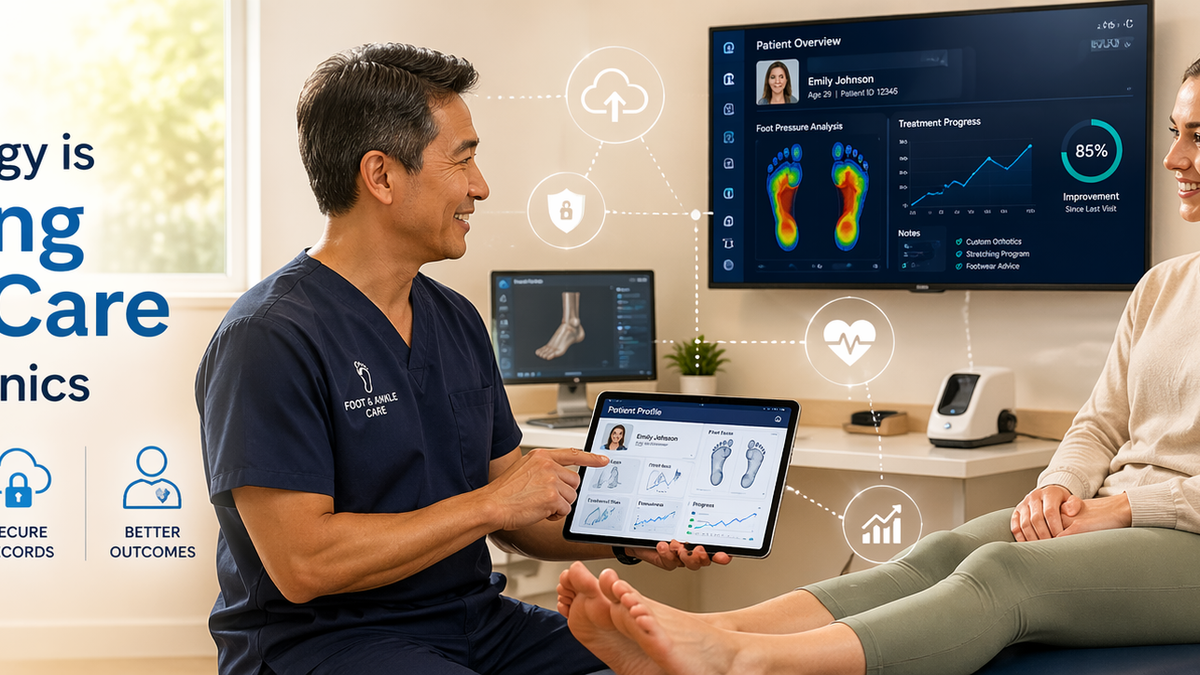
Podiatry clinics today are managing an increasing number of patients dealing with chronic foot conditions, sports injuries, and complications related to diabetes. As patient expectations continue to rise, clinics must balance delivering high-quality care with maintaining efficient operations.
To meet these demands, many podiatry practices are adopting structured digital systems that improve documentation, streamline workflows, and enhance overall patient care.
The Growing Complexity of Podiatry Care
Podiatrists often treat conditions that require ongoing monitoring and long-term care plans. This introduces several operational challenges:
- Managing detailed patient histories over time
- Tracking treatment progress for chronic conditions
- Ensuring accurate and secure documentation
- Coordinating follow-ups and preventive care
Without organized systems in place, these challenges can lead to inefficiencies, delayed care, and increased administrative workload.
The Role of Secure Document Management in Healthcare
Accurate documentation is a critical component of effective podiatry care. Clinics must not only maintain detailed patient records but also ensure that sensitive information is handled securely and in compliance with healthcare regulations.
Solutions like GLXY Software Solutions’ HIPAA-compliant document management systems demonstrate how healthcare providers can improve both security and efficiency:
https://www.glxysoftwaresolutions.com/healthcare/hipaa-document-management
By implementing structured document management systems, clinics can:
- Securely store and manage patient records
- Reduce errors associated with manual documentation
- Improve accessibility of patient information
- Maintain compliance with regulatory standards
Enhancing Care Through Better Data Access
When patient data is organized and easily accessible, podiatrists can make faster and more informed decisions. This leads to:
- More accurate diagnoses
- Better tracking of treatment outcomes
- Improved continuity of care across multiple visits
In turn, patients benefit from more personalized and effective treatment plans.
Improving Operational Efficiency
Beyond clinical care, efficient operations play a key role in the success of any podiatry clinic. Structured digital systems help reduce administrative burdens by:
- Streamlining documentation workflows
- Reducing paperwork
- Improving communication between staff
- Supporting faster patient processing
This allows healthcare providers to focus more on patient care rather than administrative tasks.
Conclusion
As podiatry clinics continue to evolve, the adoption of secure, structured digital systems is becoming essential. By improving documentation, enhancing data access, and streamlining operations, clinics can deliver better patient outcomes while maintaining efficiency and compliance.