Identifying and Preventing Common Bottlenecks in the Construction Project Workflows
Why Eliminating Bottlenecks Matters in Construction
Every successful construction project depends on effective planning, communication, and execution. Whether you're managing a commercial build, infrastructure project, or residential development, delays in one area can quickly impact schedules, budgets, and client satisfaction.
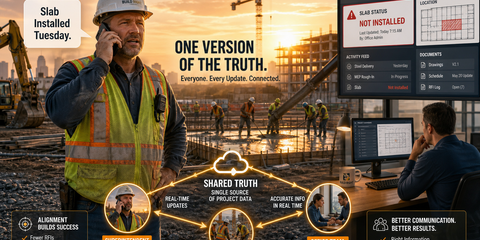
Construction projects involve multiple stakeholders, subcontractors, suppliers, inspectors, and project managers—all working toward a common goal. Without structured workflows and centralized project visibility, small issues can become major bottlenecks that slow progress and increase costs.
Modern construction companies are increasingly adopting digital project management systems to improve collaboration, streamline workflows, and keep projects on schedule.
What Is a Construction Workflow Bottleneck?
A workflow bottleneck occurs when one stage of a project slows or prevents progress in the next stage. Because construction activities are highly interconnected, delays often ripple throughout the entire project.
Common consequences include:
- Missed project milestones
- Budget overruns
- Reduced labor productivity
- Poor communication between teams
- Delays in inspections and approvals
- Lower customer satisfaction
Identifying bottlenecks early allows project teams to address issues before they significantly impact project delivery.
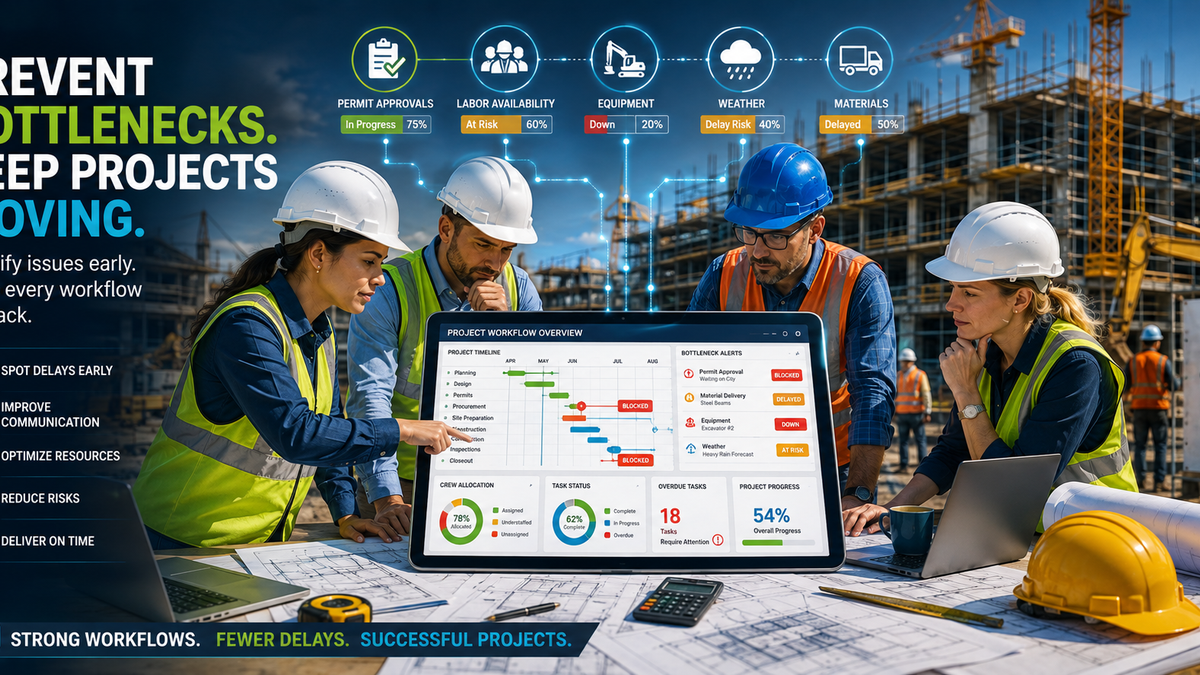
Five Common Construction Project Bottlenecks
1. Regulatory and Permit Approval Delays
Construction projects often require permits, inspections, and approvals before work can proceed. Delays in obtaining these approvals can halt progress and affect downstream activities.
To reduce these delays:
- Build permit timelines into the project schedule.
- Track approval statuses in a centralized system.
- Assign clear ownership for follow-ups.
- Maintain organized project documentation.
Project tracking software helps teams monitor milestones and identify approval delays before they affect the overall schedule.
2. Labor Availability and Workforce Coordination
Finding skilled labor continues to be one of the construction industry's biggest challenges. Even when qualified workers are available, poor scheduling and communication can reduce productivity.
Construction companies can improve workforce coordination by:
- Planning labor requirements early.
- Scheduling crews efficiently.
- Monitoring workload across projects.
- Communicating schedule changes in real time.
Structured project management systems make it easier to coordinate teams and keep everyone aligned.
3. Equipment Downtime
Construction equipment represents a significant investment, and unexpected breakdowns can quickly bring work to a standstill.
Organizations should:
- Schedule preventive maintenance.
- Track equipment availability.
- Plan backup equipment when possible.
- Monitor equipment utilization throughout the project.
Proactive planning minimizes downtime and keeps projects moving forward.
4. Weather-Related Delays
Weather is one of the few risks construction teams cannot control, but they can prepare for it.
Best practices include:
- Building schedule flexibility into project plans.
- Monitoring weather forecasts regularly.
- Communicating schedule changes immediately.
- Prioritizing indoor work when outdoor activities are delayed.
Having centralized project information allows teams to adjust schedules quickly when conditions change.
5. Material Shortages and Supply Chain Delays
Material shortages remain a significant challenge across the construction industry.
To reduce disruptions:
- Order long-lead materials early.
- Maintain relationships with multiple suppliers.
- Track deliveries against project schedules.
- Monitor inventory levels continuously.
Visibility into procurement activities helps prevent work from stopping due to missing materials.
Additional Strategies for Preventing Construction Bottlenecks
Improve Project Communication
Poor communication is one of the leading causes of construction delays.
A centralized project management platform helps everyone work from the same information by providing:
- Shared project updates
- Task assignments
- Schedule visibility
- Document sharing
- Progress tracking
When project teams communicate through one system instead of scattered emails and spreadsheets, decisions happen faster and fewer mistakes occur.
Standardize Project Workflows
Standardized workflows ensure every project follows consistent processes.
Benefits include:
- Faster onboarding
- Clear responsibilities
- Reduced errors
- Improved accountability
- More predictable project delivery
Structured workflows also make it easier to identify where delays are occurring.
Strengthen Risk Management
Every construction project carries risk, but proactive planning minimizes its impact.
Project managers should regularly review:
- Schedule risks
- Budget risks
- Labor availability
- Equipment readiness
- Material procurement
- Regulatory requirements
Continuous monitoring allows teams to respond before small issues become major problems.
Track Progress in Real Time
Without accurate project visibility, managers often discover problems too late.
Real-time dashboards and project tracking tools help organizations:
- Monitor project milestones
- Track task completion
- Identify overdue activities
- Measure project performance
- Improve accountability across teams
This visibility allows project leaders to make informed decisions quickly.
How GLXY Software Solutions Supports Construction Teams
GLXY Software Solutions provides digital solutions that help construction companies improve project visibility, communication, and operational efficiency.
Its Construction Project Management solution is designed to centralize project information, streamline workflows, and improve coordination across construction teams.
Learn more:
https://www.glxysoftwaresolutions.com/construction-project-management
For organizations looking to improve task tracking and operational visibility across projects, GLXY also offers Pulse Point Project Tracker, which helps teams monitor work, track progress, and maintain accountability throughout the project lifecycle.
Learn more:
https://www.glxysoftwaresolutions.com/pulse-point-project-tracker
Together, these solutions help construction organizations reduce bottlenecks, improve collaboration, and deliver projects more efficiently.
Conclusion
Construction bottlenecks are inevitable, but they don't have to derail your projects. By improving planning, strengthening communication, monitoring progress in real time, and using structured project management systems, construction teams can reduce delays and improve overall project performance.
As construction projects become increasingly complex, investing in modern workflow and project management solutions provides organizations with the visibility and control needed to complete projects on time, manage resources effectively, and consistently deliver successful outcomes.