The Private Aviation Advantage: Why Structured Scheduling and Operational Systems Matter
Why Private Aviation Organizations Benefit from Digital Operations Management
In today's fast-paced aviation industry, private operators, charter companies, and aviation service providers face increasing pressure to maximize operational efficiency while maintaining high standards of safety, compliance, and service quality. Managing aircraft availability, crew coordination, maintenance schedules, and operational workflows through manual processes or disconnected systems can create unnecessary complexity and operational risk.
This is why many aviation organizations are adopting structured, cloud-based operational systems that provide greater visibility, coordination, and control across their operations.
GLXY Software Solutions provides aviation-focused solutions designed to help organizations streamline workflows, improve operational coordination, and support more efficient aviation management:
https://www.glxysoftwaresolutions.com/aviation
The Challenges of Managing Private Aviation Operations
Private aviation operations involve coordinating multiple interconnected processes, including:
- Aircraft scheduling and availability management
- Crew scheduling and resource allocation
- Maintenance planning and tracking
- Operational documentation and compliance
- Communication between flight operations, maintenance teams, and management
When these processes rely on spreadsheets, manual workflows, or multiple disconnected platforms, organizations often experience:
- Reduced operational visibility
- Scheduling conflicts and inefficiencies
- Increased administrative workload
- Higher risk of communication errors
- Difficulty scaling operations as demand grows
As aviation operations become more complex, these inefficiencies can significantly impact performance and customer experience.
The Benefits of Structured Aviation Systems
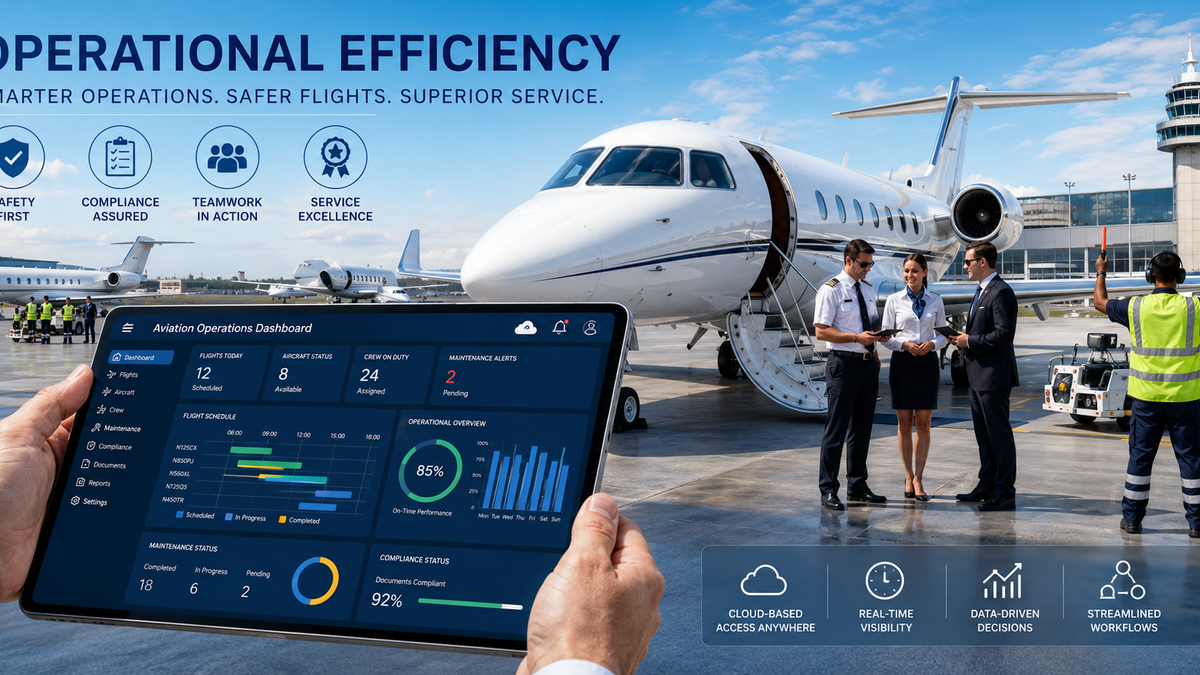
Modern aviation workflow systems provide a centralized approach to managing operations. Rather than relying on fragmented processes, organizations can manage key operational activities through structured digital workflows.
With the right systems in place, aviation teams can:
Improve Scheduling Coordination
Centralized scheduling systems provide better visibility into aircraft availability, operational requirements, and resource allocation, helping reduce conflicts and improve efficiency.
Enhance Operational Visibility
Real-time access to operational data enables teams to make faster, more informed decisions while maintaining better coordination across departments.
Streamline Maintenance Management
Structured workflows help organizations organize maintenance activities, monitor schedules, and maintain accurate operational records.
Reduce Administrative Burden
Automating repetitive tasks and standardizing workflows allows teams to spend less time on administrative processes and more time on operational priorities.
Support Scalability
As organizations expand their operations, structured systems provide the flexibility needed to manage increasing complexity without sacrificing efficiency.
Improving Efficiency Through Digital Transformation
The aviation industry continues to evolve, and organizations that adopt modern operational systems are better positioned to respond to changing demands. By digitizing key workflows and improving coordination across teams, aviation organizations can:
- Improve operational efficiency
- Reduce delays and scheduling conflicts
- Enhance communication and collaboration
- Strengthen operational oversight
- Support long-term business growth
These improvements contribute to more reliable operations and better service delivery.
The Future of Private Aviation Operations
As private aviation continues to grow, the need for efficient, scalable, and structured operational systems will become increasingly important. Organizations that invest in digital workflow solutions today will be better equipped to manage future operational challenges while maintaining high standards of safety, performance, and customer satisfaction.
Conclusion
Managing modern aviation operations requires more than manual processes and disconnected tools. Structured workflow systems provide the visibility, coordination, and operational control needed to support efficient and scalable aviation operations.
By leveraging aviation-focused solutions like those provided by GLXY Software Solutions, organizations can improve operational efficiency, reduce complexity, and build a stronger foundation for long-term success.