The Pros and Cons of Modular Construction—and How Technology Helps Manage the Process
Why Modular Construction Is Transforming the Construction Industry
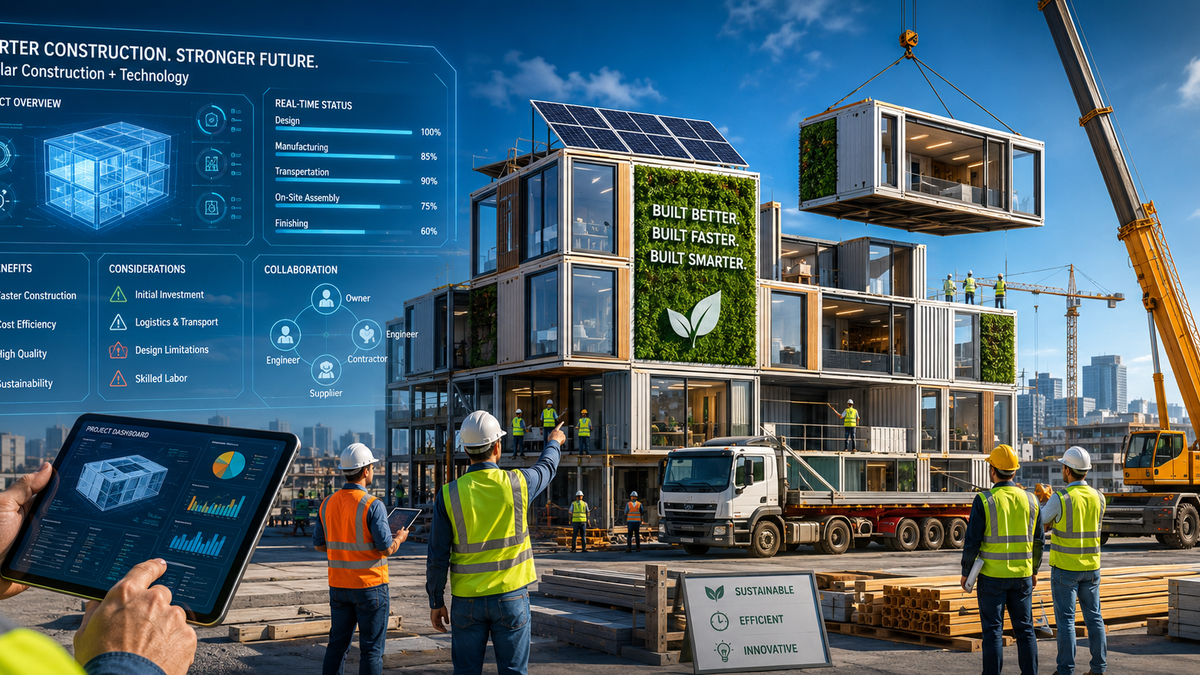
Modular construction has become one of the fastest-growing approaches in the construction industry. By manufacturing building components off-site and assembling them at the project location, contractors can often reduce construction timelines, improve quality control, and minimize waste.
As demand for faster and more cost-effective building methods increases, modular construction continues to gain traction across commercial, healthcare, education, hospitality, and residential projects.
However, while modular construction offers significant advantages, it also introduces unique project management challenges. Coordinating manufacturing, transportation, on-site installation, inspections, and multiple project stakeholders requires careful planning and real-time visibility.
This is where modern construction project management systems play an important role.
Understanding Modular Construction
Unlike traditional construction, where nearly every phase takes place on the job site, modular construction shifts much of the work into a controlled manufacturing environment. Individual modules are built, inspected, and transported to the site for final assembly.
This approach allows multiple project phases to occur simultaneously. While the building modules are being manufactured, site preparation and foundation work can continue independently, reducing overall project duration.
Although the construction method differs, project success still depends on effective scheduling, communication, and documentation throughout every phase.
Advantages of Modular Construction
Faster Project Delivery
One of the biggest advantages of modular construction is speed.
Because fabrication and site preparation happen simultaneously, project schedules are often shorter than traditional construction methods. Weather-related delays may also be reduced since much of the work occurs indoors.
Shorter construction timelines help owners begin using completed facilities sooner while allowing contractors to move on to new projects more quickly.
Improved Quality Control
Factory-built components are produced in controlled environments using standardized processes.
This can lead to:
- More consistent construction quality
- Reduced material waste
- Better workmanship
- Fewer weather-related issues during fabrication
Quality inspections can also occur throughout the manufacturing process before modules arrive on-site.
Better Sustainability
Modular construction often produces less waste than traditional building methods.
Materials can be measured more accurately, leftover materials are easier to recycle, and transportation can be optimized to reduce unnecessary deliveries.
Many organizations also choose modular construction because it supports sustainability initiatives through improved resource utilization.
Potential Cost Savings
Projects completed more efficiently often experience reduced labor costs, fewer delays, and improved resource utilization.
While every project differs, shorter schedules may reduce indirect costs associated with equipment rentals, temporary facilities, and project administration.
Challenges of Modular Construction
Despite its benefits, modular construction presents several operational challenges.
Complex Project Coordination
Every phase must be carefully coordinated between manufacturers, contractors, transportation providers, inspectors, and project owners.
Even minor scheduling changes can affect multiple parts of the project simultaneously.
Without centralized project management, communication gaps can quickly create delays.
Transportation and Logistics
Large modules must be transported safely from manufacturing facilities to construction sites.
Transportation restrictions, route planning, permits, and delivery timing all require careful coordination.
Unexpected transportation issues can impact installation schedules and overall project timelines.
Documentation and Compliance
Construction projects generate thousands of documents, including:
- Project drawings
- Change orders
- Inspection reports
- Permits
- Safety documentation
- Contracts
- Equipment records
Managing these documents across multiple teams becomes increasingly difficult without structured digital systems.
Limited Design Flexibility
Because modules are manufactured before arriving on-site, major design changes later in the project can be more difficult than with traditional construction.
This makes early planning and accurate documentation especially important.
Why Construction Technology Matters
Regardless of whether a project uses traditional or modular construction, successful delivery depends on effective project management.
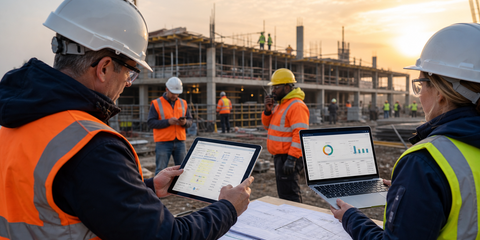
Modern construction organizations increasingly rely on digital platforms to improve coordination, track progress, and centralize project information.
GLXY Software Solutions provides Construction Project Management solutions designed to help construction teams improve visibility across projects, organize documentation, and streamline workflows from planning through project completion.
These solutions help organizations:
- Track project milestones and schedules
- Improve communication between office and field teams
- Organize project documentation in one location
- Monitor project progress in real time
- Reduce administrative work through standardized workflows
Improving Collaboration Across Construction Teams
Construction projects involve architects, engineers, project managers, subcontractors, suppliers, and clients.
When everyone works from different spreadsheets, emails, and paper documents, communication becomes fragmented.
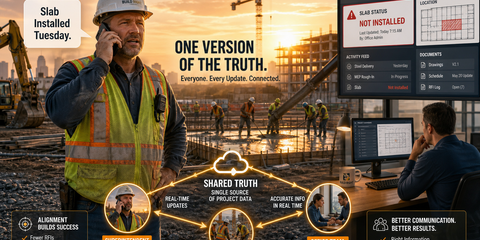
Centralized project management systems help teams collaborate more effectively by providing a single source of truth for schedules, documentation, and project updates.
This improves accountability while reducing misunderstandings and delays.
Preparing for the Future of Construction
As modular construction continues to expand, digital project management will become even more important.
Organizations that combine innovative construction methods with structured technology solutions are better positioned to:
- Improve project visibility
- Increase operational efficiency
- Deliver projects on schedule
- Reduce project risk
- Scale operations more effectively
Conclusion
Modular construction offers many advantages, including faster project delivery, improved quality control, and greater sustainability. However, it also introduces new challenges in coordination, scheduling, logistics, and documentation.
By combining modular construction with structured project management systems, organizations can better manage complexity and keep projects moving efficiently.
GLXY Software Solutions helps construction teams streamline workflows, improve collaboration, and maintain greater visibility throughout every stage of the construction lifecycle, enabling organizations to deliver projects with greater confidence and control.