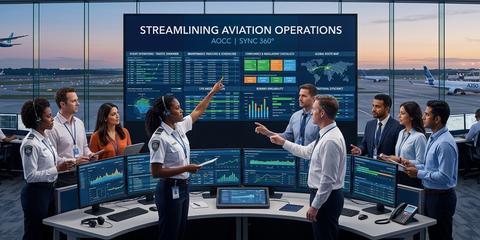
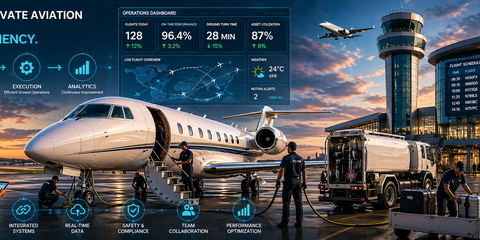
Transforming Aviation Operations with Modern Workflow and Scheduling Systems

Reimagining Aviation Operations Through Digital Transformation
The aviation industry operates in one of the most complex and highly regulated environments in the world. Success depends on precise coordination across multiple teams, systems, and operational processes. From flight operations and crew scheduling to maintenance planning and operational reporting, every component must work together seamlessly.
As aviation organizations continue to grow and adapt to changing operational demands, traditional management methods—including spreadsheets, manual processes, and disconnected software systems—are becoming increasingly difficult to maintain.
Modern aviation organizations require structured, scalable, and cloud-based systems that provide better visibility, coordination, and operational control.
The Growing Complexity of Aviation Operations
Aviation operations involve managing numerous interconnected workflows simultaneously, including:
- Flight operations planning and coordination
- Crew scheduling and resource allocation
- Aircraft maintenance scheduling
- Operational reporting and documentation
- Compliance management and audit preparation
- Communication between operational teams
When these processes are managed across multiple systems or through manual workflows, organizations often face operational inefficiencies that impact performance and reliability.
Challenges with Traditional Aviation Management Systems
Many aviation operators continue to rely on fragmented operational tools, resulting in challenges such as:
- Limited visibility into real-time operations
- Scheduling conflicts and resource constraints
- Increased administrative workload
- Difficulty coordinating teams across locations
- Delays in operational decision-making
- Inefficient document and workflow management
These challenges can affect operational efficiency, increase costs, and create unnecessary operational risk.
Moving Toward Structured Aviation Workflow Systems
To address these challenges, aviation organizations are increasingly adopting centralized, cloud-based workflow solutions that improve operational coordination and visibility.
GLXY Software Solutions provides aviation-focused workflow and operational management systems designed to help organizations streamline complex aviation processes:
https://www.glxysoftwaresolutions.com/aviation
These solutions support organizations by creating more structured, efficient, and scalable operational workflows.
Improving Flight Operations Coordination
Effective flight operations require continuous coordination between multiple stakeholders and systems.
Modern workflow systems help aviation organizations:
- Centralize operational information
- Improve communication across teams
- Enhance scheduling coordination
- Increase operational visibility
- Support faster decision-making
By consolidating critical operational information into structured systems, aviation teams can respond more effectively to changing conditions and operational demands.
Enhancing Scheduling and Resource Management
Scheduling remains one of the most critical and complex aspects of aviation operations. Managing aircraft availability, personnel schedules, maintenance requirements, and operational priorities requires systems capable of handling dynamic workflows.
Structured aviation systems can help organizations:
Improve Resource Utilization
Better visibility into operational resources allows organizations to optimize the use of aircraft, personnel, and facilities.
Reduce Scheduling Conflicts
Centralized workflows help identify conflicts earlier and improve coordination across teams.
Support Operational Flexibility
Modern systems allow organizations to adapt more quickly to schedule changes and operational disruptions.
Improve Team Collaboration
Real-time information sharing enables better communication across operational departments.
Supporting Compliance and Operational Reliability
Compliance is fundamental to aviation operations. Organizations must maintain accurate records, standardized procedures, and clear operational documentation.
Structured workflow systems help support:
- Regulatory compliance requirements
- Documentation management
- Operational tracking and reporting
- Audit readiness
- Process standardization
By improving visibility and accountability, aviation organizations can reduce operational risk while maintaining high standards of safety and performance.
Leveraging Cloud-Based Aviation Solutions
Cloud-based systems offer significant advantages for aviation organizations operating across multiple locations and teams.
Benefits include:
- Real-time access to operational information
- Improved collaboration across departments
- Greater scalability as operations grow
- Reduced dependency on local infrastructure
- Enhanced operational continuity
Cloud-native solutions also enable organizations to implement improvements more efficiently while supporting long-term operational growth.
Driving Operational Excellence Through Workflow Automation
Automation plays an increasingly important role in aviation operations. By reducing manual processes and standardizing workflows, organizations can:
- Improve operational efficiency
- Reduce administrative overhead
- Increase process consistency
- Minimize human error
- Enable teams to focus on higher-value operational tasks
Workflow automation supports better decision-making and creates a more reliable operational environment.
Preparing Aviation Operations for the Future
As the aviation industry continues to evolve, organizations must invest in systems that provide flexibility, scalability, and operational intelligence.
Modern workflow platforms enable aviation operators to:
- Adapt to changing operational requirements
- Improve coordination across teams
- Support business growth
- Increase operational visibility
- Build more resilient operations
Organizations that adopt structured, digital workflows today will be better positioned to meet the challenges of tomorrow.
Conclusion
Aviation operations require more than traditional management tools and disconnected systems. As operational complexity increases, organizations need structured workflow platforms that improve coordination, visibility, and efficiency.
By implementing aviation-focused solutions like those offered by GLXY Software Solutions, organizations can streamline operations, improve resource management, and support long-term operational excellence.
Learn more about GLXY's aviation solutions here: