Boost Healthcare Efficiency with Structured Scheduling Systems
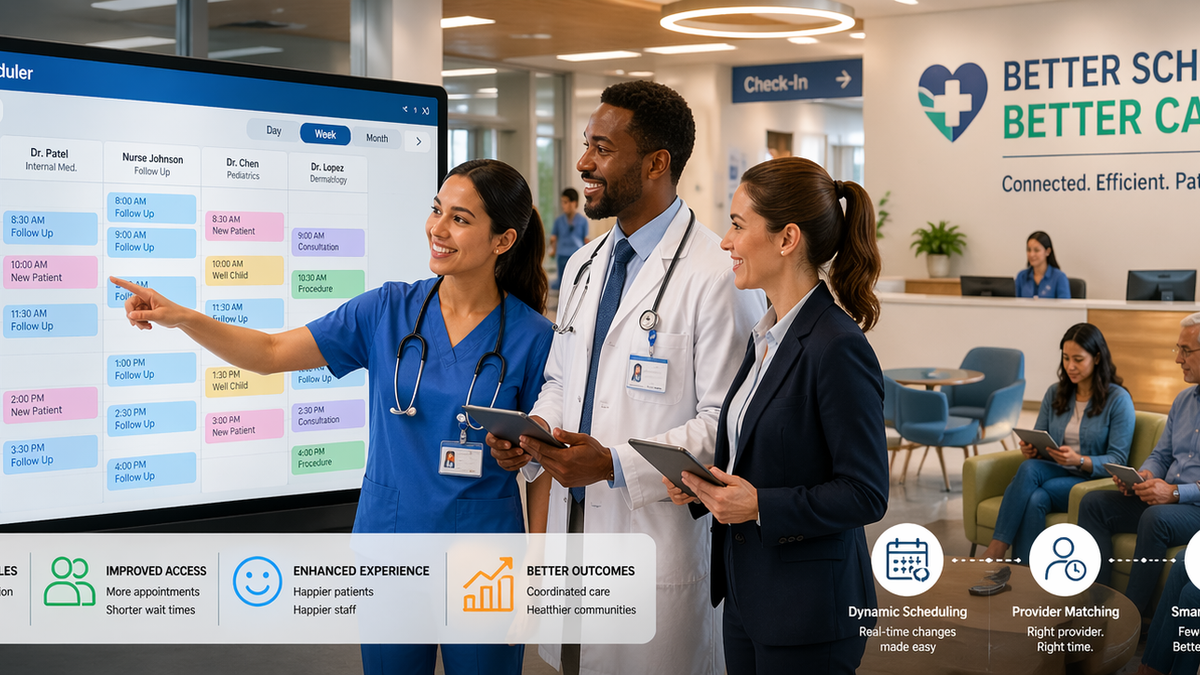
Why Scheduling is the Backbone of Healthcare Efficiency
In any healthcare environment, scheduling is more than just booking appointments—it is the foundation of operational efficiency, patient flow, and overall care delivery. From small clinics to large healthcare facilities, the ability to manage appointments effectively directly impacts both patient satisfaction and clinical outcomes.
As patient demand increases and healthcare systems become more complex, clinics must rely on structured scheduling systems to maintain consistency and efficiency.
The Growing Complexity of Clinical Scheduling
Healthcare providers today must manage a wide range of scheduling variables, including:
- Patient appointment types and durations
- Provider availability and specialization
- Follow-up visits and recurring treatments
- Emergency or last-minute schedule adjustments
- Coordination across multiple departments
Without a structured system, managing these variables manually can quickly become overwhelming, leading to inefficiencies and errors.
Common Challenges in Traditional Scheduling Systems
Many healthcare organizations still rely on outdated or manual scheduling methods, which can result in:
- Double bookings and scheduling conflicts
- Long patient wait times
- Missed appointments and no-shows
- Inefficient use of staff and resources
- Poor visibility into daily operations
These challenges not only disrupt workflows but also negatively affect the patient experience.
The Role of Structured Clinical Scheduling Systems
To address these challenges, healthcare providers are increasingly adopting structured scheduling systems that bring automation, organization, and visibility into daily operations.
GLXY Software Solutions provides clinical scheduling systems designed specifically for healthcare environments, helping clinics streamline appointment management and improve coordination:
https://www.glxysoftwaresolutions.com/healthcare/clinical-scheduling
These systems are built to support:
- Centralized scheduling across providers and departments
- Real-time visibility of appointments and availability
- Automated scheduling workflows and updates
- Improved coordination between administrative and clinical staff
Key Benefits of Optimized Scheduling Systems
1. Improved Operational Efficiency
Automated scheduling reduces the need for manual input, minimizing errors and freeing up staff to focus on patient care.
2. Better Resource Utilization
Clinics can allocate staff, rooms, and equipment more effectively based on real-time scheduling data.
3. Reduced Patient Wait Times
Optimized scheduling ensures smoother patient flow, reducing delays and improving overall experience.
4. Fewer Missed Appointments
Automated reminders and structured scheduling processes help reduce no-shows.
Enhancing Patient Experience Through Better Scheduling
Patient experience is directly tied to how efficiently a clinic operates. Structured scheduling systems help create a smoother and more predictable experience by:
- Allowing easy appointment booking
- Providing timely reminders and updates
- Reducing waiting times
- Ensuring consistent care delivery
When patients feel that their time is respected and their care is well-coordinated, satisfaction and retention naturally improve.
Supporting Scalable Healthcare Operations
As clinics grow, managing scheduling manually becomes increasingly difficult. Structured systems provide scalability by:
- Handling higher volumes of appointments
- Supporting multiple providers and locations
- Standardizing workflows across teams
- Reducing dependency on manual processes
This allows healthcare organizations to expand without sacrificing efficiency or quality of care.
Strengthening Coordination Across Teams
Effective healthcare delivery requires seamless coordination between administrative staff, nurses, and physicians. Structured scheduling systems improve communication by:
- Providing a centralized system for all scheduling activities
- Reducing miscommunication between departments
- Ensuring everyone has access to up-to-date information
This leads to more efficient workflows and better patient outcomes.
Conclusion
Clinical scheduling is a critical component of healthcare operations. Without structured systems, clinics risk inefficiencies, delays, and reduced patient satisfaction.
By adopting digital scheduling solutions like those offered by GLXY Software Solutions, healthcare providers can improve coordination, optimize resource utilization, and deliver a better overall patient experience.
As healthcare continues to evolve, structured scheduling systems will play an increasingly important role in supporting efficient, scalable, and patient-centered care.