How We Listen Before We Build (And Why That Saves Months)

How We Listen Before We Build (And Why That Saves Months)
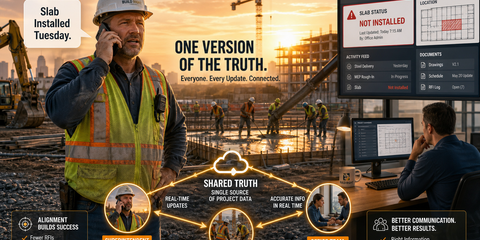
It is early. The quote still is not out. The salesperson is waiting on numbers. Purchasing has a different version of the same job. Nobody is arguing about technology. They are arguing about who has the truth.
That is usually where our first conversation starts. Not with a product list. Not with "AI business solutions" as the opener. With one stuck morning, and the people who live inside it.
In post one, we named the problems leaders bring us. In post two, we explained what AI can do when it is aimed at a real bottleneck. This post is about the step most teams skip: listening hard enough to see the work clearly before anyone writes code.
What a first conversation should feel like
A good first call should feel like relief, not a sales demo.
You talk about the week that keeps going wrong. We ask who gets stuck, where the delay shows up, and what "done" would look like on a normal Tuesday. If we jump straight into features, we will build the wrong thing politely.
The goal of call one is simple: name one problem in plain English. Quoting too slow. Margins that show up too late. Field and office systems that do not agree. That name becomes the north star for everything after.
Questions that surface the real problem
Leaders often start with a solution request. "We need a portal." "We need AI." "We need the same tool our competitor uses." Useful AI consulting starts one layer earlier.
We ask questions like:
- What happens on the worst Monday of the month?
- Who waits on whom before the customer gets an answer?
- Which number do people trust when two screens disagree?
- What would change this week if that bottleneck disappeared?
Those answers usually reveal the real job. The portal was a guess. The AI label was a hope. The actual need is a cleaner workflow, shared data, and a system people will actually open.
Turning talk into a clear picture of the work
Talk alone is not enough. After the first conversations, we turn what we heard into a picture.
That picture usually includes three things:
- The problem in one sentence everyone can repeat.
- The shared data the team already has (quotes, costs, notes, tickets), and the gaps.
- A visual mock-up of the solution: screens, steps, and handoffs, so people can react to something concrete.
The mock-up matters. Words drift. A mock-up forces clarity. A salesperson can say, "I would never click that." A PM can say, "That field is wrong." An owner can say, "If this is right, we are done guessing." That feedback is cheaper before the build than after.
This is also where custom AI development belongs, if it belongs at all. Once the workflow is clear, we can see where pattern spotting, faster answers, or AI integration would help, and where plain business process automation is enough.
Building toward a usable result, not a science project
After the picture is clear, we build toward something people can use in real work.
That does not mean a giant rewrite of the whole company. It means a focused path: one named problem, one shared picture, one usable result. The team should be able to point at a quote, a job, or a handoff and say, "This is better than Monday."
We keep secret sauce secret, yours and ours. You do not need our internals. We do not need yours. We need enough shared understanding of the work to build the right system.
Why speed to something useful beats a 12-month waterfall
Long projects fail in quiet ways. Requirements age. People change. The original stuck Monday gets replaced by a new stuck Monday, and the build never quite catches up.
Speed here does not mean "done overnight." It means getting to a usable result while the problem is still the problem. Listen. Mock it up. Adjust. Build what people already recognized as useful. That loop saves months because you stop paying to discover the truth after the code is already written.
If you want a wider view of how connected workflows support that kind of progress, see how automated systems and workflow solutions help modern businesses and why business process automation matters for growth.
What we do not need to share
You do not need to hand over every process document on day one. We do not need to tour every tool we use. Good discovery is specific, not exhaustive.
Bring one bottleneck, the people who live inside it, and honest answers about where the week breaks. That is enough to start a clear picture. The rest can stay protected.
What's next
Next in this series: From First Call to Working Solution: What the Path Looks Like. We will walk the path with one concrete example: problem, conversations, mock-up, build, and result. Then we look at how the same problem feels different in each seat around the table.
If you are ready to walk through one real problem, see how we think about construction operations, or book a short call. We will listen first.