Why Custom Software is Essential for Aviation Success
Why Aviation Requires Custom Software Solutions
Aviation is one of the most complex and highly regulated industries in the world. Every operation—from flight scheduling to maintenance coordination—requires precision, reliability, and real-time decision-making.
While many organizations start with off-the-shelf software, these solutions often fall short when it comes to handling the unique demands of aviation workflows. As operations scale and become more complex, the need for custom-built software solutions becomes increasingly clear.
Custom software allows aviation organizations to design systems that align directly with their operational requirements, ensuring better efficiency, coordination, and long-term scalability.
The Limitations of Off-the-Shelf Software in Aviation
Generic software solutions are designed to serve a broad audience, which often means they lack the flexibility required for specialized industries like aviation.
Common limitations include:
- Inability to handle complex scheduling requirements
- Limited customization for operational workflows
- Poor integration with existing systems
- Lack of scalability as operations grow
- Insufficient support for industry-specific processes
These gaps can lead to inefficiencies, miscommunication, and increased operational risk.
Key Considerations When Choosing a Development Partner
Selecting the right custom software development partner is a critical decision that can significantly impact operational success. Aviation organizations should evaluate potential partners based on several key factors:
1. Understanding of Complex Workflows
A strong development partner should have experience building systems that manage multi-layered workflows, including scheduling, coordination, and task tracking.
2. Ability to Build Scalable Solutions
As aviation operations grow, systems must be able to scale without compromising performance or reliability.
3. Focus on Operational Efficiency
The goal of any custom solution should be to streamline operations, reduce manual processes, and improve overall efficiency.
4. Strong System Integration Capabilities
Custom software should integrate seamlessly with existing tools and systems to ensure smooth operations across the organization.
5. Emphasis on Reliability and Performance
In aviation, system reliability is critical. Solutions must be built to handle real-time operations with minimal downtime.
The Role of Workflow-Focused Development
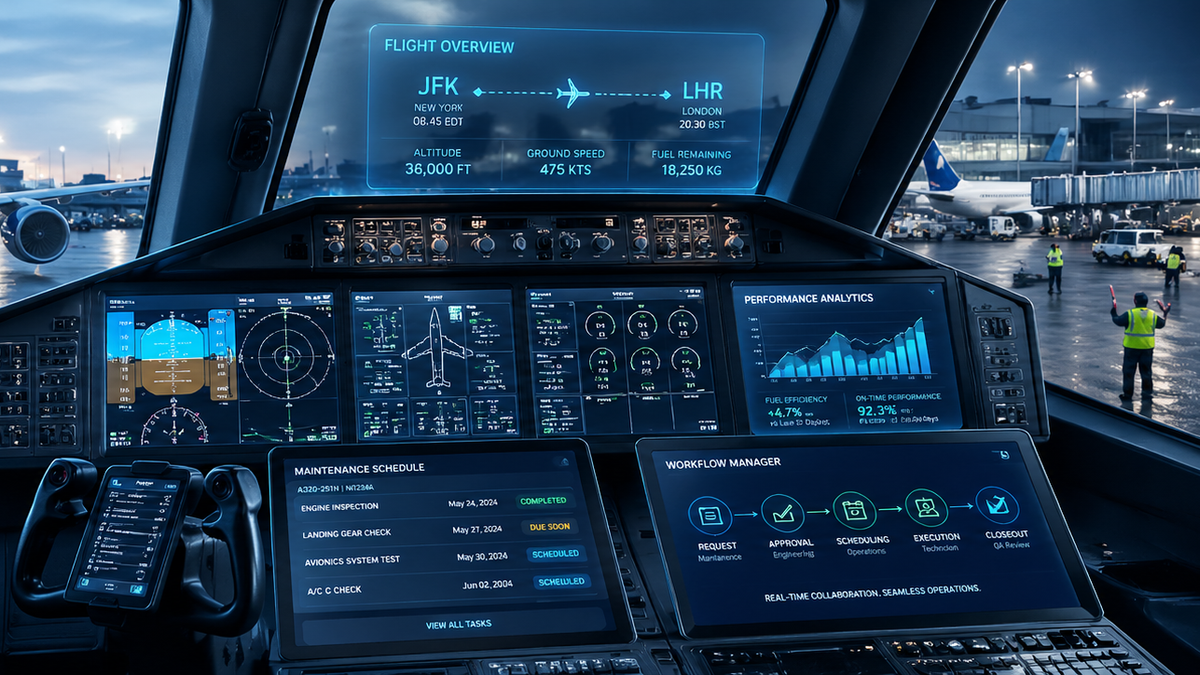
Modern aviation operations require more than just software—they require structured systems that support coordination, visibility, and execution.
GLXY Software Solutions specializes in building custom workflow-driven systems designed for complex industries, including aviation:
https://www.glxysoftwaresolutions.com/aviation
Their approach focuses on:
- Designing systems tailored to specific operational needs
- Improving visibility across teams and processes
- Enhancing coordination between departments
- Supporting real-time decision-making
By focusing on workflow optimization, organizations can move beyond basic software and build systems that truly support their operations.
Benefits of Custom Software for Aviation Operations
1. Better Alignment with Operational Needs
Systems are designed specifically for how the organization operates, ensuring a better fit.
2. Improved Efficiency and Coordination
Structured workflows reduce manual tasks and improve communication across teams.
3. Enhanced Scalability
Custom solutions can grow alongside the organization, supporting expansion and increased complexity.
4. Greater Operational Visibility
Real-time tracking and centralized systems provide better insight into operations.
5. Reduced Risk and Errors
Automation and structured workflows help minimize human error and improve consistency.
Supporting Long-Term Growth and Innovation
Custom software is not just about solving current challenges—it also prepares organizations for future growth. As aviation continues to evolve, organizations need systems that can adapt to new technologies, regulations, and operational demands.
A strong development partner ensures that systems remain flexible, scalable, and capable of supporting innovation over time.
Conclusion
Choosing the right custom software development partner is a critical step for aviation organizations looking to improve efficiency, coordination, and long-term scalability.
By working with a provider that understands complex workflows and focuses on building structured, reliable systems—like GLXY Software Solutions—organizations can create solutions that truly support their operational needs.
In an industry where precision and reliability are essential, the right software partner can make a significant difference in achieving operational success.